

As the 2025–26 flu season unfolds, influenza cases are climbing sharply across the United States, raising alarms among public health officials and medical providers. With the peak of winter still ahead, the nation is already seeing millions of infections and tens of thousands of hospitalizations due to influenza, driven by a combination of highly transmissible viral strains, widespread travel during the holiday season, and uneven vaccination coverage.
According to estimates from the Centers for Disease Control and Prevention (CDC), at least 7.5 million Americans have contracted the flu so far this season. Hospitalizations have exceeded 80,000, and the CDC has reported over 3,000 deaths related to flu complications. These figures reflect a significant escalation compared to prior years, signaling a more aggressive seasonal wave than expected.
Health experts attribute much of the surge to the dominance of a specific genetic variant of the influenza A virus — the H3N2 subclade K. This subclade has become the most frequently detected strain in clinical samples nationwide and is believed to spread more easily than its predecessors. While there is no evidence suggesting it causes more severe illness on an individual basis, its ability to infect a large number of people rapidly is contributing to the strain on healthcare resources.
The timing of the flu’s acceleration has coincided with a period of high mobility and social interaction. Millions of Americans traveled to visit friends and family for Christmas and New Year celebrations, attending gatherings, flying across states, and frequenting crowded public spaces. These conditions provided ideal circumstances for respiratory viruses to spread, particularly in indoor settings with limited ventilation.
Compounding the challenge is relatively low flu vaccine uptake in several regions. Although the 2025 flu vaccine is widely available and over 130 million doses have been distributed, uptake has lagged behind public health targets. Many individuals have either delayed or declined vaccination, influenced by misinformation, vaccine fatigue, or complacency about the flu’s risks. Experts emphasize that while the current vaccine is not a perfect match for the dominant H3N2 strain, it still offers meaningful protection — particularly against severe outcomes such as hospitalization or death.
In some states, the situation is especially acute. New York, for example, reported more than 71,000 laboratory-confirmed flu cases in a single week this December, breaking state records for flu activity. Hospitals in both urban centers and rural communities have reported increased admissions, with some nearing capacity as they juggle flu patients alongside other seasonal illnesses such as respiratory syncytial virus (RSV) and norovirus.
The rapid spread of the flu virus this year can also be traced back to international trends. The H3N2 subclade K was first noted earlier in 2025 during an intense flu season in Australia, where it overwhelmed health systems and prompted warnings of a difficult winter ahead for the Northern Hemisphere. The same variant has since appeared across Europe and North America, contributing to parallel outbreaks abroad and suggesting that this year’s flu season is part of a broader global pattern.
Children, older adults, and individuals with chronic health conditions remain the most vulnerable to flu-related complications. Pediatric hospitalizations have risen, and several flu-associated deaths among children have already been reported. Seniors and those with underlying health conditions continue to make up the largest proportion of severe cases. While not unprecedented, the severity of this season underscores the importance of both personal prevention and public health response.
Healthcare providers across the country are responding by urging the public to take precautions. In addition to vaccination, they are recommending frequent handwashing, masking in crowded indoor settings, staying home when experiencing symptoms, and seeking antiviral treatment early in the course of illness for high-risk individuals. Many local clinics and pharmacies have extended hours or expanded flu shot availability in an effort to boost protection as the season progresses.
Medical experts warn that the current wave of influenza infections is unlikely to subside quickly. Historically, flu activity peaks between December and February, but some seasons extend well into March or April. Given the early and steep increase in cases this year, officials expect sustained high levels of transmission over the next several weeks, especially in regions with low vaccine coverage and high population density.
The CDC continues to monitor flu trends closely through its national surveillance systems. Early indicators — including increased outpatient visits for flu-like illness, rising laboratory positivity rates, and escalating hospital admissions — all point to a flu season that is more intense than average. Public health departments at the state and local level are also ramping up outreach efforts, issuing advisories and coordinating with hospitals to prepare for continued patient surges.
In a year when respiratory viruses are circulating simultaneously and healthcare systems remain vulnerable, the flu’s resurgence highlights the importance of coordinated public health strategy and individual responsibility. While there is no singular solution to halting the spread, health officials agree that high vaccination rates and basic prevention measures remain the best tools available to reduce illness, hospitalizations, and deaths.
As the winter season deepens, the message from medical professionals is clear: there is still time to get vaccinated, protect vulnerable loved ones, and take steps to reduce the spread of a virus that continues to take a heavy toll on communities nationwide.

Empire State Review Contributor
This article features branded content from a third party. Opinions in this article do not reflect the opinions and beliefs of Empire State Review.
You May Also Like

New York Scientific Data Summit Opens in Manhattan With Focus on AI’s Role in Science and Society
New York Scientific Data Summit Opens in Manhattan With Focus on AI’s Role in Science and Society
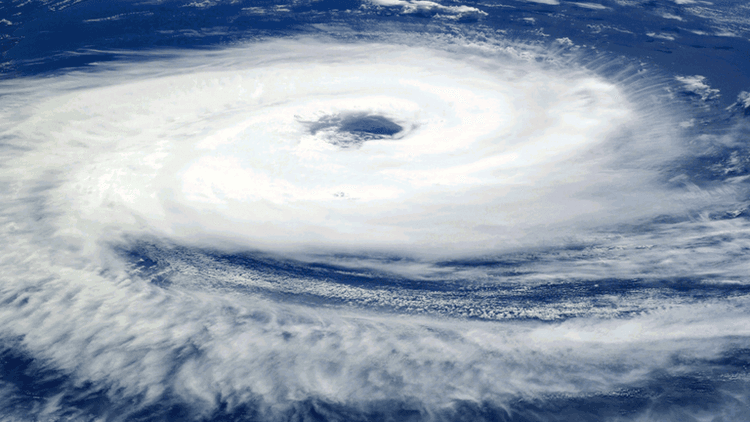
Hurricane Nolo Pounds Hawaii With Heavy Rain, Flooding, And Dangerous Surf
Hurricane Nolo Pounds Hawaii With Heavy Rain, Flooding, And Dangerous Surf

Akamai And Anthropic Sign $11.6 Billion Cloud Computing Deal As AI Infrastructure Demand Grows
Akamai And Anthropic Sign $11.6 Billion Cloud Computing Deal As AI Infrastructure Demand Grows

Pilot Rescued After Military Training Jet Crashes Into Pacific Ocean Off California Coast
Pilot Rescued After Military Training Jet Crashes Into Pacific Ocean Off California Coast

Green Bay Packers Rally Past New York Jets In Overtime Thriller At MetLife Stadium
Green Bay Packers Rally Past New York Jets In Overtime Thriller At MetLife Stadium