 Empire State Review Contributor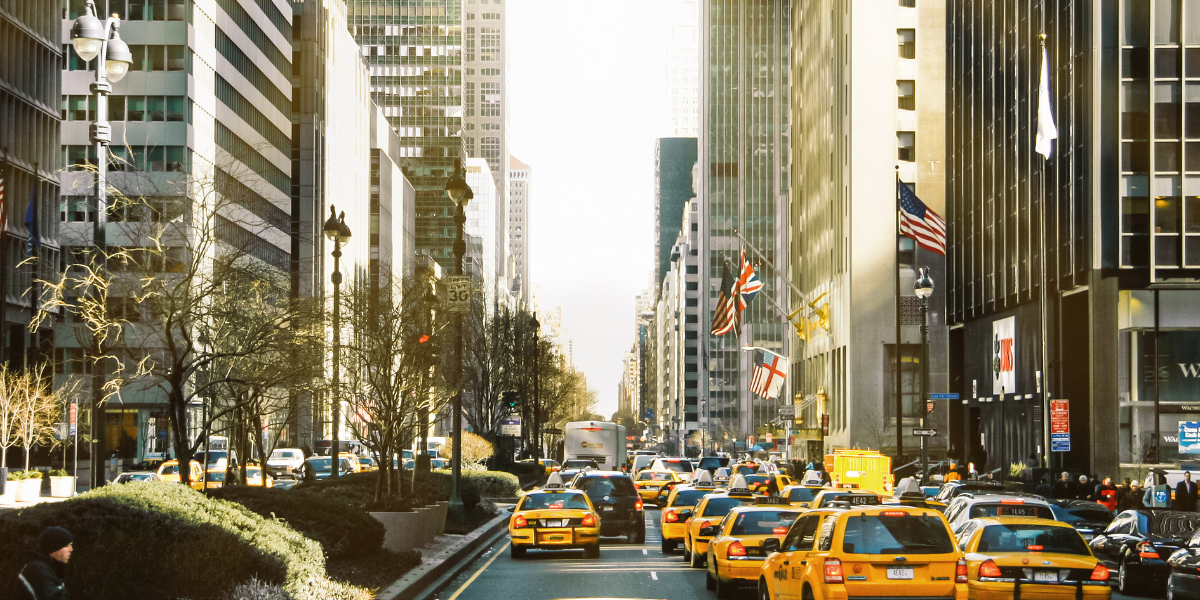
New York City officials are reporting early signs of progress following the implementation of the city’s congestion pricing program, with preliminary data indicating reductions in traffic volume and vehicle emissions across Manhattan’s central business district. The initiative, which charges most vehicles a daily fee to enter areas south of 60th Street in Manhattan, is part of a broader strategy aimed at easing gridlock, improving air quality, and funding long-term improvements to the region’s public transportation system.
The congestion pricing plan officially launched earlier this year under the oversight of the Metropolitan Transportation Authority (MTA) and New York State transportation agencies after years of planning, regulatory reviews, and infrastructure preparation. The program marks the first congestion pricing system of its scale in the United States and places New York alongside international cities such as London and Singapore that have implemented similar measures to manage traffic congestion in dense urban centers.
Transportation officials say early monitoring suggests that the number of vehicles entering Manhattan’s congestion zone during peak commuting hours has declined compared with typical traffic levels before the program began. Reduced vehicle volumes have contributed to smoother traffic movement in several major corridors, including key avenues and cross-town routes that frequently experience heavy congestion.
City transportation planners note that reduced traffic can also improve the reliability of public transit services that operate within the congestion zone. Buses traveling through Midtown and Lower Manhattan have historically faced delays due to gridlock, and officials expect that reduced car traffic could shorten travel times and improve schedule reliability for thousands of daily riders.
Revenue generated through congestion pricing is expected to support significant upgrades to the New York metropolitan transportation network. The Metropolitan Transportation Authority has identified numerous infrastructure projects that could benefit from the funding, including modernization of subway signaling systems, station accessibility improvements for riders with disabilities, and upgrades to commuter rail lines serving the broader metropolitan region.
Transportation advocates have long argued that Manhattan’s high traffic density slows emergency vehicles, increases commuting times, and contributes to pollution levels that affect residents and workers. By discouraging unnecessary vehicle trips into the busiest part of the city, officials believe the congestion pricing program could improve mobility across multiple modes of transportation.
Environmental experts also point to the potential benefits of reduced vehicle emissions in densely populated neighborhoods. Traffic-related pollution is a major contributor to urban air quality concerns, particularly in areas with high levels of vehicle congestion. Lower emissions may contribute to improved environmental conditions and public health outcomes over time.
Despite early positive indicators, the program has generated debate among commuters, business owners, and regional leaders. Some drivers have expressed concern about the cost of entering Manhattan by car, particularly those who rely on vehicles due to limited public transit access in surrounding areas. Businesses that depend on deliveries or commuter traffic have also raised questions about how the policy could influence economic activity in certain parts of the city.
State and city officials have emphasized that the program includes exemptions and reduced-fee options for certain vehicles, including emergency services and specific qualifying groups. Policymakers say these measures were designed to balance the goal of reducing congestion while minimizing potential hardship for essential services and vulnerable communities.
Urban planning experts say it will take several months of data collection to fully understand how congestion pricing influences travel patterns. Researchers will monitor changes in traffic flow, transit ridership, and commuting behavior as residents and businesses adjust to the new system.
Early ridership data from the MTA suggests that some commuters may already be shifting toward public transit options, including subways, buses, and regional rail services. Transportation officials expect that improvements funded through congestion pricing revenue could further strengthen the reliability and capacity of the transit network in the coming years.
New York’s congestion pricing program is also being closely observed by policymakers and transportation planners in other major U.S. cities. As urban centers continue to grapple with rising traffic congestion and aging infrastructure, the success or challenges of the program could influence how other metropolitan areas approach transportation policy.
For New York residents and visitors alike, the program represents a significant shift in how the city manages transportation within its busiest districts. As officials continue evaluating the system’s performance, congestion pricing may play a central role in shaping the future of mobility, environmental policy, and infrastructure investment across the Empire State’s largest city.