
 Empire State Review Contributor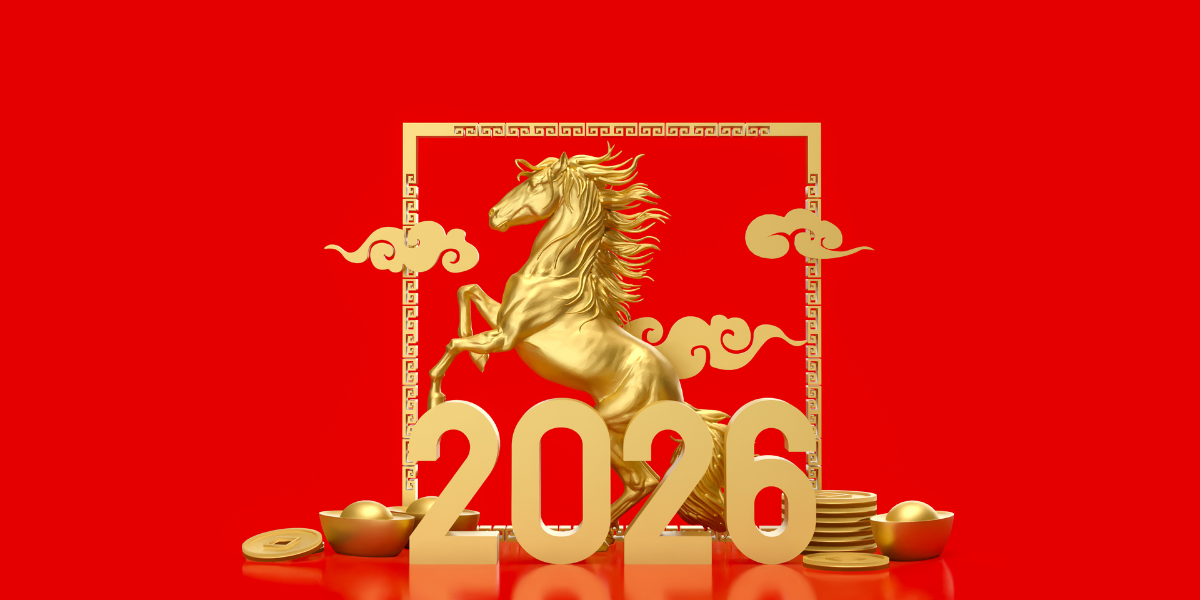
New York, NY, A significant step toward cultural inclusivity was achieved in New York State this year as Lunar New Year was officially designated as a state holiday. Signed into law by Governor Kathy Hochul in 2025, the recognition marks a pivotal moment for the Asian American community and will be celebrated for the first time as a state holiday on February 17, 2026. This decision has profound cultural and educational implications, reflecting New York’s ongoing commitment to embracing its multicultural identity.
A Cultural Milestone for New York State
With over one million Asian Americans residing in New York, the decision to officially observe Lunar New Year is seen as an acknowledgment of the state’s growing Asian American and Pacific Islander (AAPI) population. The new holiday will ensure that schools and public offices across the state are closed to mark the occasion. This change not only provides schoolchildren with the chance to participate in their family traditions but also elevates the cultural significance of the holiday across all communities in the state.
Lunar New Year, which falls between January 21 and February 20 each year, marks the beginning of the lunar calendar. Celebrations traditionally include family reunions, feasts, parades, and performances. The holiday is observed by millions worldwide, including China, South Korea, Vietnam, and other parts of East and Southeast Asia. In New York, Chinatown in Manhattan and neighborhoods such as Flushing in Queens have long been centers of vibrant celebrations, with grand parades, dragon dances, and fireworks lighting up the streets.
Governor Hochul’s Support for the AAPI Community
Governor Hochul, who championed the bill that made Lunar New Year an official holiday, emphasized the importance of the measure in advancing inclusivity and unity within New York’s diverse population.
“This is a recognition of the profound cultural contributions that the Asian American community has made to our state,” Governor Hochul said in a statement. “By establishing Lunar New Year as an official state holiday, we honor the heritage and traditions of millions of New Yorkers who celebrate this important occasion. It’s a step forward in ensuring that all communities are reflected in our state’s calendar.”
This gesture is part of a broader effort by the Hochul administration to increase representation and support for the state’s Asian American communities, which have historically been underrepresented in official state holidays. The legislation also includes provisions to ensure that Lunar New Year is incorporated into public school curricula to help young people of all backgrounds understand the significance of the holiday.
Community Reactions: A Long-Awaited Victory
New Yorkers who celebrate the holiday expressed their joy and gratitude for the new official recognition. Charlie Chang, a community leader in Chinatown, stated, “For years, we’ve seen how Lunar New Year celebrations bring together families and communities. Now, with the state officially acknowledging the holiday, we feel our traditions are being honored and respected in ways that matter.”
The decision to recognize the holiday also aligns with New York City’s efforts to create a more inclusive environment for its diverse population. Several cities across the United States, including San Francisco and Los Angeles, have long recognized Lunar New Year, but New York’s decision to formally observe the holiday makes it one of the most populous and influential regions to do so. In Flushing, Queens, one of the most vibrant and diverse neighborhoods in New York, Lunar New Year festivities have long been a staple of local culture. For business owners, this recognition could also mean an influx of support for cultural businesses during the holiday season.
Maria Chen, a local business owner and advocate for the AAPI community in Flushing, commented, “This holiday will not only boost cultural awareness, but it will also drive people to our neighborhoods to explore and experience what Lunar New Year is all about. This is a win for our community.”
The Economic Impact of Lunar New Year Celebrations
Aside from its cultural significance, Lunar New Year holds considerable economic weight. In New York, businesses that cater to the holiday, including restaurants, grocery stores, and retail shops selling traditional clothing and decorations, see a surge in sales during the weeks leading up to the celebration. By officially recognizing the holiday, New York is embracing both the cultural richness and economic activity that come with it. The retail, tourism, and restaurant industries will likely see a positive impact, with many people spending money on gifts, festive foods, and attending local events.
Lunar New Year celebrations are also a major draw for tourism, particularly in places like Chinatown, where people from across the globe visit to experience the vibrant parades and street performances. Tourists who plan to visit New York specifically for these events will contribute to the local economy, benefiting small businesses, hotels, and entertainment venues.
Broader Efforts to Celebrate Cultural Diversity
New York State’s designation of Lunar New Year as an official holiday is part of a larger trend toward increasing the recognition of diverse cultural traditions. Over the past few years, New York has taken steps to expand the number of officially recognized holidays, including those for Eid al-Adha and Diwali. These changes reflect a commitment to representing New York’s dynamic population.
State leaders have emphasized the importance of celebrating diverse holidays as a way to strengthen the community and promote understanding among different cultures. The recognition of these holidays also helps in broadening educational curricula, allowing students of all backgrounds to learn about the various cultures that make up the state.
Looking Ahead
The formal recognition of Lunar New Year as a state holiday is an important milestone for New York’s Asian American communities. As celebrations begin this year, the state is not only honoring the rich cultural traditions of its residents but also promoting unity, inclusivity, and respect for all people who call New York home.
As communities across the state celebrate the Lunar New Year, New Yorkers can look forward to further efforts aimed at building a more inclusive, representative, and culturally vibrant future. The acknowledgment of Lunar New Year is more than just a day off work; it’s a recognition of the deep roots and significant contributions of Asian Americans to the state’s social, economic, and cultural fabric.