
 Empire State Review Contributor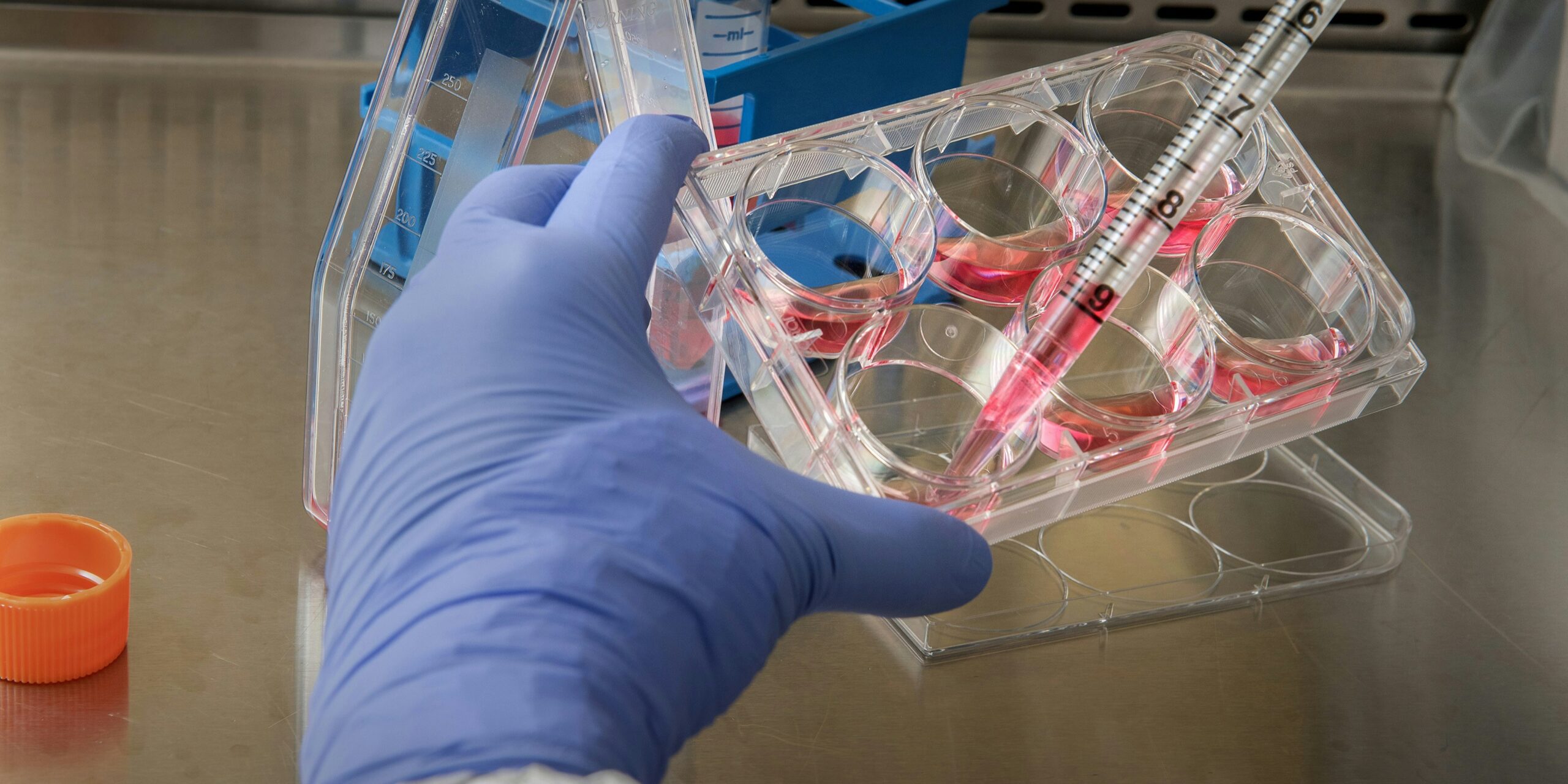
A recent study, published on December 1, 2025, brings a glimmer of hope in the search for more effective treatments for Parkinson’s disease. The first-in-human phase I trials, which focused on transplanting stem-cell-derived dopamine-producing neurons, suggest that the treatment appears safe for patients at this early stage. This development, reported in the December issue of Science News, represents an important milestone in the ongoing fight against the neurodegenerative disease that affects millions of people around the world.
Parkinson’s disease, a disorder marked by the progressive loss of dopamine-producing neurons in the brain, has long been managed with therapies that primarily aim to alleviate symptoms rather than address the root cause of the disease. This new research, however, is looking to offer a potential solution that could go beyond symptom management. By using stem cells to produce dopamine-producing neurons and transplanting them into the brains of patients, researchers hope to restore lost neural functions, potentially slowing or even reversing the motor symptoms of Parkinson’s.
While the findings so far are promising, scientists are cautious. The current trial is still in its early phases and is primarily focused on assessing the safety of the procedure. The study has not yet reached the point of evaluating the full efficacy of the treatment. As a result, researchers are hopeful but recognize that much remains uncertain. The key questions that will need to be answered in future phases of the trial include whether the transplanted neurons survive long-term, integrate properly into the brain’s existing networks, and, most importantly, whether they provide measurable clinical benefits for patients.
The researchers involved in the trial stress that further studies will be needed to determine if this approach can deliver sustained improvements for Parkinson’s patients. If the subsequent trial phases prove successful, this stem-cell-based treatment could represent a major shift in the way Parkinson’s disease is treated. It could offer a regenerative therapy that addresses the root causes of the disease, rather than relying on the traditional symptom-management strategies that have been the standard for decades.
Overall, while this phase I trial is just the beginning, it holds the potential to fundamentally change the treatment landscape for Parkinson’s disease. If the technology continues to progress, it could offer new hope for millions of people living with Parkinson’s, providing them with a treatment that not only manages symptoms but works to reverse some of the neurological damage caused by the disease.