
 Empire State Review Contributor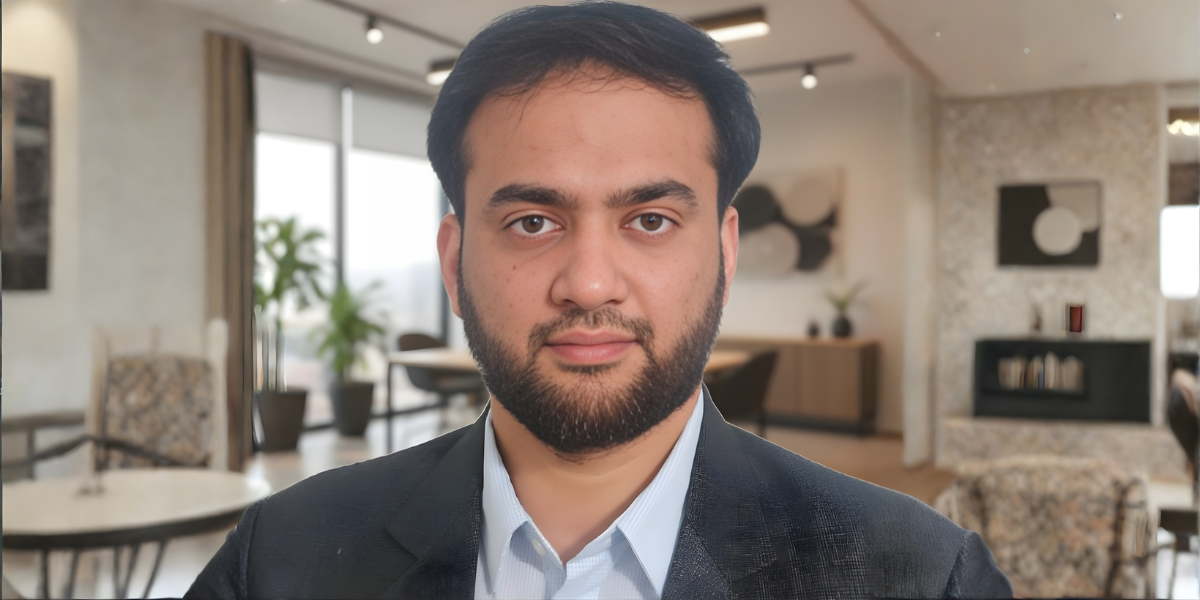
Mohammed Afzal Khan blends technology with human impact, ensuring AI enhances systems without replacing judgment.
In the rapidly evolving world of artificial intelligence and workflow automation, Mohammed Afzal Khan is driving purposeful innovation with a focus on ethical, human-centered technology. As a Senior Software Engineer specializing in AI and workflow systems, Afzal is dedicated to ensuring AI complements human decision-making, particularly in critical, high-stakes environments.
His work and perspectives have contributed to broader conversations on responsible AI adoption, influencing cross-sector discussions in finance, governance, and peacebuilding initiatives.
Afzal’s career has been built around the belief that AI should not replace human judgment but rather empower it. His work prioritizes responsible AI systems that maintain transparency, ethics, and accountability, values that are especially crucial when technology intersects with governance, financial services, and global peacebuilding efforts.
From Automation to Ethical AI
Afzal’s journey into the world of software engineering began over a decade ago, focused on traditional workflow automation aimed at improving business efficiency. However, as the digital transformation landscape advanced, he recognized the need for AI systems that not only streamline processes but also support human decision-makers in complex, regulatory environments.
“I realized that efficiency is important, but it should never come at the cost of ethics and transparency,” Afzal explains. “The future of AI is about making the right decisions, not just faster ones, but those that are accountable and clearly understood.”
Afzal’s dedication to this principle led him to specialize in AI-assisted decision-making platforms that are explainable, transparent, and fully compliant with regulatory standards. He has since collaborated with organizations across a variety of sectors, including finance and public policy, helping ensure that AI systems augment human decision-making without compromising ethical considerations.
In practice, these systems have helped reduce decision latency, improve audit readiness, and support consistent outcomes across high-volume operational environments.
Technology with a Purpose: Bridging AI and Global Challenges
Afzal’s work sets him apart by his focus on leveraging AI to address global challenges, particularly in peacebuilding and conflict resolution. He has been involved in initiatives discussing AI-assisted mediation, emphasizing human-in-the-loop systems that allow for AI support while ensuring human oversight remains central in sensitive areas such as peace negotiations and child protection.
“My philosophy is that AI should never replace human responsibility in sensitive decisions,” Afzal says. “Instead, AI should remove friction, enabling people to make decisions more swiftly, fairly, and with the most accurate information.”
Afzal’s AI systems are designed to assist in high-stakes situations, whether in conflict resolution or financial decision-making, by providing transparency, accountability, and efficiency without removing the essential human element.
The Power of Explainability in AI Systems
In environments where the consequences of decisions are far-reaching, like finance, public policy, or humanitarian aid, trust in AI systems is paramount. Afzal’s approach is centered around creating AI systems that are explainable, where users can easily understand the logic behind each decision.
“Trust is a key factor in the long-term success of AI systems,” he states. “In sectors with high stakes, such as finance and public services, AI must be transparent and auditable, so users can have confidence in the technology.”
Afzal’s systems aim to help organizations navigate complex regulations and make decisions that are not only efficient but also fair and transparent. This commitment to transparency ensures that AI remains a tool for empowering, not replacing, human judgment.
Looking to the Future: AI for Social Good
Looking ahead, Afzal is focused on the role AI will play in the coming decade. With AI technologies continuing to evolve, the need for responsible, human-centered design will only grow. Afzal remains committed to developing AI systems that contribute to societal well-being, ensuring that these systems are built with transparency, ethics, and a deep understanding of their potential societal impact.
“The future of AI is not just about speed or efficiency,” he says. “It’s about using technology to foster trust, enhance accountability, and support human decision-making. In the future, AI will play an increasingly important role in sectors like governance, peacebuilding, and regulatory compliance.”
Afzal’s work exemplifies the potential of responsible technology design. By prioritizing transparency, explainability, and human oversight, he is helping to shape a future where AI amplifies human capability and addresses some of the world’s most pressing challenges.
What distinguishes Afzal’s work is his ability to translate complex technical systems into frameworks that policymakers, compliance leaders, and practitioners can trust and adopt.