
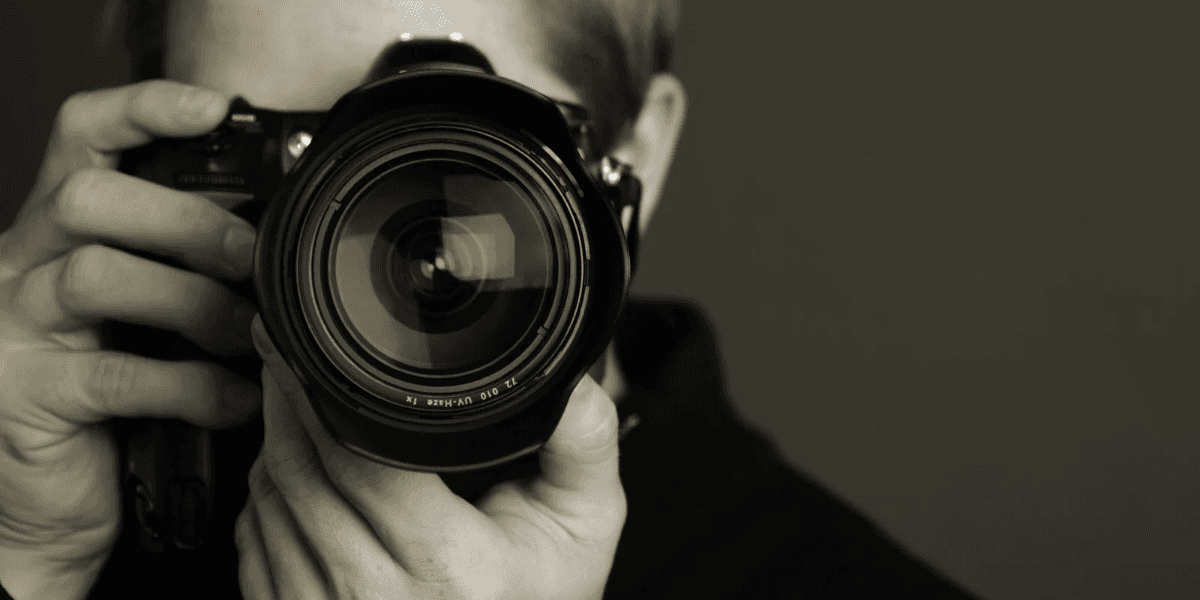
John Baer's rediscovered photography archive reveals intimate scenes of historic New York City, preserving everyday moments from a changing era.
A forgotten collection of photographs is offering New Yorkers a remarkable glimpse into the city's past. On October 20, 2026, a newly published photographic feature brought renewed attention to the work of John Baer, a little known photographer who documented ordinary people and everyday life during the middle of the twentieth century. His images, rediscovered by his son decades after Baer's death, reveal intimate moments in Manhattan and beyond. From conversations in Bryant Park to workers paving Fifth Avenue, the photographs preserve a side of New York history often overlooked in traditional accounts of the city's development.
John Baer's Rediscovered Photography Archive Returns To Public Attention
The rediscovery of John Baer's photography represents an important contribution to the documentation of American urban life. His collection is presented in John Baer: The Extraordinary Ordinary / A Memoir in Photographs, 1945 to 1954, a publication that introduces his work to a wider audience.
On October 20, 2026, The Guardian published a photographic feature highlighting images from the collection and exploring the personal history behind them.
Unlike photographers who concentrated on famous landmarks or prominent public figures, Baer focused on ordinary people. His photographs captured workers, pedestrians, couples, and families during moments that might otherwise have disappeared from the historical record.
The images provide a visual record of daily life during a period when New York City was experiencing significant social and cultural change.
A Photographer Who Found Meaning In Everyday Moments
John Baer's interest in photography developed during a period shaped by international travel and his experiences during World War II.
While serving overseas, he acquired a camera that became an important part of his creative life. His photographic work eventually extended across several locations, including New York City and parts of Europe.
In 1948, Baer and his wife, Louise, moved to New York City and rented an apartment at 215 Second Avenue in Manhattan's East Village.
Living in the city provided opportunities to document people and places that reflected its character.
Baer photographed familiar streets, neighborhood activities, and individuals going about their daily routines. Rather than arranging elaborate scenes, he often relied on observation and timing.
His approach allowed him to preserve natural expressions and interactions, giving the images a sense of authenticity that remains compelling decades later.
Historic Manhattan Photographs Reveal A Different New York
Several photographs from the rediscovered collection feature recognizable New York locations.
One image, titled Lunch Hour, Bryant Park, shows women sitting together on a park bench. The photograph captures an ordinary social interaction while offering a glimpse of clothing, public spaces, and everyday customs from an earlier era.
Another image documents a couple in Washington Square Park, a location that remains an important gathering place for New Yorkers.
Baer also photographed a shoeshine worker near Third Avenue and 42nd Street, preserving a scene connected to the city's street economy.
His image Paving Fifth Avenue highlights construction workers whose labor helped maintain New York's infrastructure.
These photographs are valuable because they reveal details that traditional historical records may overlook.
The people featured in the images were not necessarily famous, but their experiences formed part of the city's larger story.
Why Rediscovered Photography Matters For Cultural History
Historical photographs provide evidence of how communities lived, worked, and interacted during different periods.
Buildings, transportation systems, clothing, and public spaces can all reveal information about social conditions and cultural habits.
Baer's collection is particularly significant because it emphasizes the human side of urban history.
His photographs demonstrate how personal archives can preserve details that might otherwise remain undocumented.
The rediscovery also highlights the importance of family members and independent researchers in protecting historical materials.
In this case, Baer's son, Andrew Baer, played a central role in bringing the photographs to public attention.
The collection shows how images kept outside major institutions can eventually contribute to broader historical understanding.
For New York residents, such photographs offer an opportunity to compare familiar neighborhoods with their earlier appearances and consider how the city's identity has evolved.
New York's Street Photography Tradition Continues To Inspire
New York City has long provided a setting for photographers interested in documenting urban life.
Its crowded sidewalks, public parks, transportation networks, and diverse neighborhoods create opportunities to observe the relationships between people and their surroundings.
Street photography often focuses on spontaneous moments rather than carefully staged compositions.
Baer's work reflects this tradition through its attention to ordinary experiences.
His photographs also demonstrate that historically meaningful images do not always require dramatic events or recognizable personalities.
A conversation between friends, a worker completing a daily task, or a pedestrian walking through the rain can reveal important aspects of a particular time and place.
For contemporary photographers, the collection offers an example of how patience, observation, and curiosity can produce images with lasting documentary value.
Explore John Baer's Photography And New York's Visual Heritage
The renewed attention surrounding John Baer's archive provides an opportunity to appreciate photography as both an artistic practice and a historical resource.
His images connect modern audiences with people who lived in New York decades earlier, revealing familiar places through a different generation's perspective.
The photographs offer more than nostalgic views of the past. They preserve individual experiences that contribute to a richer understanding of New York City's cultural history.
As John Baer's work reaches a wider audience in October 2026, the collection serves as a reminder that some of the most revealing historical records are created during ordinary moments. Through his camera, everyday New Yorkers became part of a visual legacy that continues to inform and inspire new generations.

Empire State Review Contributor
This article features branded content from a third party. Opinions in this article do not reflect the opinions and beliefs of Empire State Review.
You May Also Like

Nexuslive Limited Opens New Possibilities For Sports Storytelling In The Digital Age
Nexuslive Limited Opens New Possibilities For Sports Storytelling In The Digital Age

US Health Officials Unveil Updated National Alzheimer's Plan With New Research And Care Priorities
US Health Officials Unveil Updated National Alzheimer's Plan With New Research And Care Priorities

Kaikhan Salakhov: The Geometry of Future Minds
Kaikhan Salakhov: The Geometry of Future Minds

US Weekly Jobless Claims Fall To 194,000 As Labor Market Shows Continued Stability In October 2026
US Weekly Jobless Claims Fall To 194,000 As Labor Market Shows Continued Stability In October 2026
Open House New York Weekend 2026 Opens 300 Destinations Across NYC For Architecture And Cultural Exploration
Open House New York Weekend 2026 Opens 300 Destinations Across NYC For Architecture And Cultural Exploration