
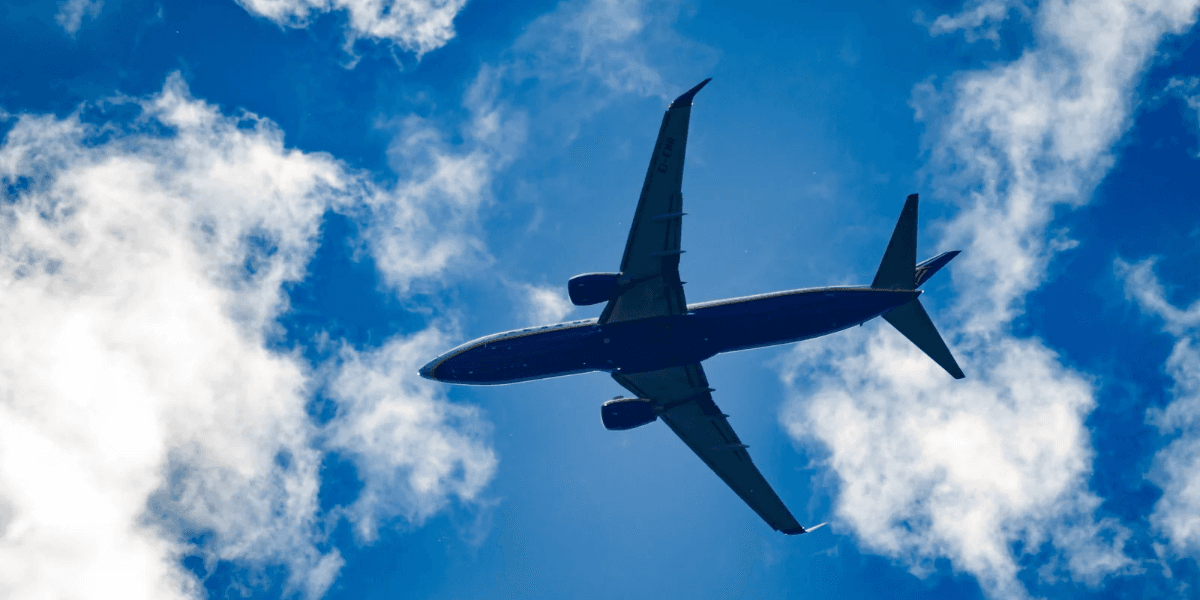
An unprecedented aviation communications outage grounded flights nationwide, disrupting travel and exposing vulnerabilities in America's air traffic control system.
A Rare Nationwide Aviation Shutdown
The disruption began Friday afternoon, November 13, when the Federal Aviation Administration (FAA) experienced a technical problem affecting its air traffic control telecommunications network.
At approximately 3:30 p.m. Eastern Time, the agency ordered a nationwide ground stop. The decision prevented most departing commercial flights from taking off while officials worked to stabilize the system.
The shutdown lasted approximately four hours and 45 minutes. The FAA lifted the restriction at 8:15 p.m. Eastern Time after determining that the system had stabilized sufficiently for normal flight operations to resume.
According to the Associated Press, the incident represented the longest nationwide ground stop in approximately 25 years. Its effects extended well beyond the initial shutdown, leaving airlines struggling to restore schedules and passengers searching for alternative flights.
Importantly, aircraft already airborne were allowed to continue to their destinations. The FAA said established safety procedures remained in place throughout the disruption.
What Caused the Air Traffic Control Failure?
Federal officials identified a telecommunications problem involving the FAA's existing air traffic control infrastructure.
During a November 14 briefing, Transportation Secretary Sean Duffy explained that the disruption occurred while a contractor was replacing older copper telecommunications lines with fiber technology at a remote facility.
The maintenance involved L3Harris Technologies, a company responsible for operating parts of the FAA's telecommunications network.
According to officials, the system experienced an unusually high volume of connection attempts. This created instability in communications and affected some radar information used by air traffic controllers.
The resulting problems made it difficult to maintain the reliability required for normal operations.
However, officials had not established whether the incident resulted from faulty equipment, installation errors, or another technical issue.
The FAA and its service providers continued investigating the circumstances surrounding the failure.
The agency also emphasized that the ground stop was a precautionary measure intended to protect passengers and flight crews.
Thousands of Flights Affected Across the Country
The shutdown created a substantial disruption throughout the American aviation network.
Airlines canceled thousands of flights as airports worked through the immediate effects of the ground stop. According to figures subsequently published by the FAA, approximately 12,462 flights were canceled on November 13.
The disruption continued into Saturday, November 14, as airlines attempted to reposition aircraft, reorganize crew schedules, and accommodate stranded passengers.
Major airports experienced crowded terminals, longer waiting times, and significant scheduling difficulties.
The effects also extended to international travel because flights entering and leaving American airports depend on coordination with the country's air traffic control system.
Passengers who had planned connecting journeys faced additional uncertainty. Some missed scheduled connections, while others had to arrange overnight accommodation or wait for replacement flights.
The Associated Press reported that airlines expected operations to recover gradually, with the FAA targeting a return to normal schedules by Sunday.
Officials cautioned that the end of the ground stop did not mean the entire aviation network could immediately return to normal.
Why America's Aging Aviation Infrastructure Matters
The incident has renewed attention on the condition of America's air traffic control infrastructure.
The United States operates one of the world's busiest aviation networks. Its air traffic control system coordinates thousands of daily flights, requiring dependable communications, radar information, and coordination between facilities.
However, parts of the infrastructure have been operating for decades. Modernization projects are intended to improve reliability and accommodate growing demands on the aviation network.
The November 13 incident demonstrated the challenges involved in upgrading older systems while maintaining continuous operations.
Replacing outdated equipment is necessary, but the process must also account for compatibility between new technology and existing infrastructure.
Even a problem at a remote facility can affect operations across multiple regions when systems depend on interconnected communications networks.
Transportation officials have called for additional investment in modernization. Secretary Duffy has discussed the need for substantial funding to replace aging equipment and strengthen the system.
The incident has also highlighted the importance of maintenance planning, testing, and contingency procedures.
What Travelers Should Know Following the Disruption
For passengers traveling during the recovery period, the most important consideration is that flight schedules may change even after a nationwide ground stop has ended.
Airlines must coordinate aircraft availability, crew assignments, airport schedules, and passenger rebooking before operations can fully stabilize.
Travelers can take several practical steps to reduce uncertainty during major disruptions.
First, check flight information directly through the airline's official website or mobile application before leaving for the airport.
Second, monitor notifications about gate changes, departure times, and cancellations. Airport departure boards may not always reflect the latest information immediately.
Third, allow additional time for airport procedures, particularly when traveling through major hubs experiencing operational backlogs.
Passengers with connecting flights should also pay attention to changes in arrival times that could affect subsequent journeys.
The FAA provides operational updates through its official aviation information services, while individual airlines remain the primary source for passenger-specific booking and rebooking information.
A Turning Point for Aviation Modernization
The nationwide ground stop of November 13 serves as a significant reminder of how dependent modern transportation is on reliable technology.
Although the FAA restored operations within hours, the consequences continued into the following days. The disruption affected thousands of flights and demonstrated how a technical problem within a connected infrastructure system can influence transportation across an entire country.
The investigation into the telecommunications failure will be important in determining what happened and identifying measures that could prevent similar incidents.
For the aviation industry, the challenge extends beyond restoring normal schedules. It involves strengthening the infrastructure that supports safe and reliable air travel.
As the United States approaches another busy holiday travel period, the incident provides an important lesson for airlines, regulators, and passengers alike: dependable aviation requires not only skilled professionals but also modern, thoroughly tested technology and effective backup systems.
The FAA's response helped maintain safety during an extraordinary disruption. Ensuring that the same situation does not happen again will require continued investigation, careful maintenance, and long term investment in America's aviation network.

Empire State Review Contributor
This article features branded content from a third party. Opinions in this article do not reflect the opinions and beliefs of Empire State Review.
You May Also Like

EKOE: Best Business Technology in the United States of 2026
EKOE: Best Business Technology in the United States of 2026
Waymo Suspends Driverless Freeway Rides Across the U.S.
Waymo Suspends Driverless Freeway Rides Across the U.S.

RAYE Leads 2027 Grammy Nominations With 11
RAYE Leads 2027 Grammy Nominations With 11
Brooklyn Building Collapse Leaves Eight Dead in Flatbush
Brooklyn Building Collapse Leaves Eight Dead in Flatbush

NASA Prepares for Voyager 1’s Historic Space Milestone
NASA Prepares for Voyager 1’s Historic Space Milestone