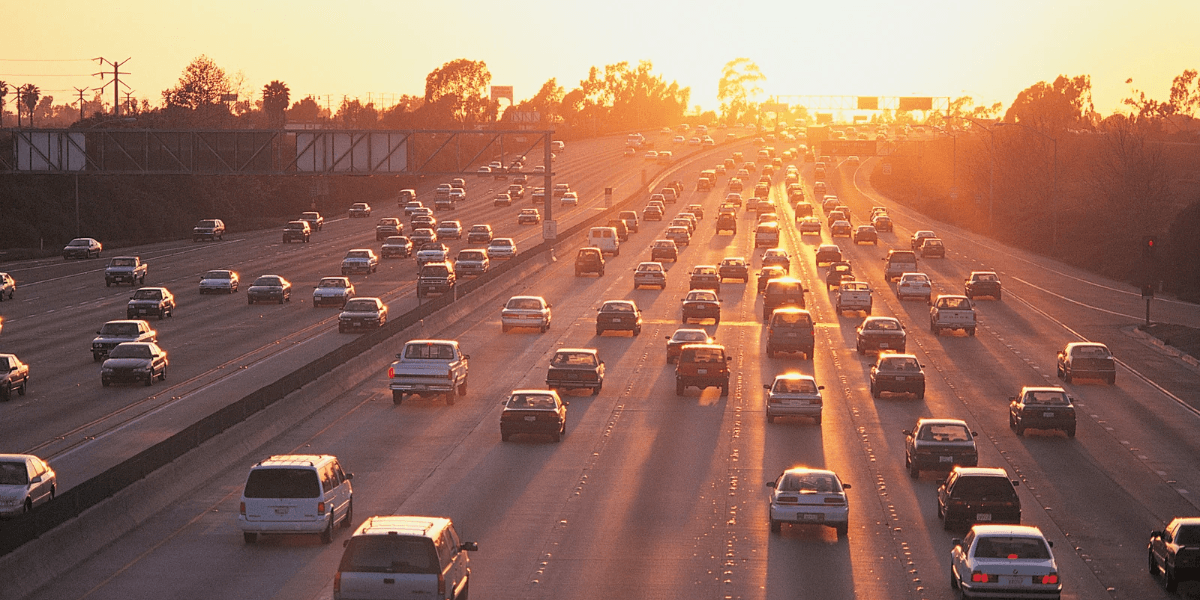
Waymo pauses driverless freeway rides nationwide after California regulators raise safety concerns about its autonomous vehicles.
Waymo Announces Nationwide Suspension of Driverless Freeway Rides
The future of autonomous transportation faced an important setback this week after Waymo temporarily suspended commercial driverless taxi rides on freeways across the United States. The decision followed safety concerns raised by California transportation regulators after several incidents involving the company's self-driving vehicles.
Announced on November 17 and widely reported on November 18, the suspension affects every market where Waymo currently offers commercial freeway transportation. These include the San Francisco Bay Area, Los Angeles, Phoenix, Miami, and Austin.
The development marks a significant moment for the autonomous vehicle industry. Waymo, a subsidiary of Alphabet, has become one of the leading companies operating commercial robotaxi services in American cities.
Although the suspension affects freeway transportation, the company has not stopped its entire ride-hailing service. Passengers can continue using Waymo vehicles on eligible surface streets in operating markets.
The company also confirmed that freeway testing will continue with trained autonomous specialists behind the wheel.
California Regulators Raise Safety Concerns
The decision followed restrictions imposed by the California Department of Motor Vehicles on November 11.
According to the department, several incidents raised concerns about Waymo's ability to navigate active construction areas and respond appropriately to traffic control situations.
One incident occurred on November 5, when three Waymo vehicles entered an active construction zone on U.S. Route 101 near Burlingame, California.
The following day, another incident involved a Waymo vehicle attempting to move around California Highway Patrol vehicles conducting a traffic break on a San Francisco highway.
Regulators said these incidents were particularly concerning because construction zones often contain workers, equipment, temporary barriers, and changing traffic patterns.
The California DMV determined that recurring problems involving active construction areas created an immediate public safety concern.
As a result, the department restricted Waymo's driverless freeway operations in California. The restrictions also prevent the company from conducting driverless freeway testing until it demonstrates that appropriate corrective measures have been implemented.
The incidents reportedly did not result in injuries or collisions.
Why Waymo Extended the Suspension Nationwide
Although California's restrictions apply specifically to the state's freeways, Waymo decided to extend the commercial suspension to its other operating markets.
The company explained that the decision was part of a broader evaluation of its autonomous driving performance.
In a statement reported by Associated Press, Waymo said it had temporarily restricted commercial freeway operations across all markets where the service was available.
The company also confirmed that it was working with California regulators and other officials to address the concerns and determine the necessary steps toward restoring operations.
The nationwide decision reflects the interconnected nature of the company's transportation services.
Rather than maintain different commercial freeway operating policies across several cities, Waymo has chosen to pause the service while evaluating its systems and procedures.
However, the company has not announced a specific date for restoring driverless freeway rides.
What the Suspension Means for Passengers
The announcement will affect passengers who regularly use autonomous taxis for longer journeys.
Freeway access has been an important part of Waymo's expansion because it allows vehicles to travel between distant neighborhoods and major destinations more efficiently.
For example, passengers traveling across the San Francisco Bay Area can benefit from freeway routes that reduce journey times compared with surface streets.
Without commercial freeway access, some trips may take longer or become less convenient.
However, Waymo's regular city street operations remain available in its eligible service areas.
The distinction is important for customers who may assume that the entire robotaxi network has been suspended.
The current restriction concerns commercial driverless freeway rides rather than all autonomous transportation services.
Passengers should also expect service availability to depend on individual locations and operating conditions.
A Major Test for the Autonomous Vehicle Industry
Waymo's decision highlights one of the biggest challenges facing companies developing self-driving transportation: proving that autonomous systems can operate reliably in unpredictable real-world conditions.
Modern driverless vehicles use cameras, radar, sensors, mapping technology, and artificial intelligence to understand their surroundings.
These systems must recognize traffic signals, identify obstacles, respond to other vehicles, and adjust to changing road conditions.
However, construction zones present particularly difficult situations. Temporary lane changes, unfamiliar barriers, workers directing traffic, and unexpected vehicle movements can create circumstances that differ from ordinary road conditions.
For autonomous transportation companies, handling these situations safely is essential to earning public confidence and maintaining regulatory approval.
The latest incidents demonstrate why continued testing and independent oversight remain important as the industry expands.
Waymo has previously introduced software improvements following concerns involving construction zones. The latest restrictions indicate that regulators want further evidence that the company's corrective measures adequately address recurring problems.
What Happens Next for Waymo?
Waymo's immediate priority is to evaluate its autonomous driving systems and work with regulators to address the identified concerns.
The company will need to demonstrate that its vehicles can respond appropriately to construction closures, traffic control operations, and other challenging freeway situations before commercial operations can resume in California.
The nationwide suspension also provides an opportunity to review performance across different operating environments.
For the wider transportation industry, the outcome could influence how regulators evaluate autonomous vehicles and establish safety expectations for future commercial services.
The development does not necessarily signal the end of driverless freeway transportation. Instead, it illustrates the importance of addressing operational concerns before expanding a technology into increasingly complex environments.
As autonomous vehicles become more common on American roads, companies will face growing expectations to demonstrate both technological progress and consistent safety performance.
Waymo's nationwide decision is therefore more than a temporary business adjustment. It represents an important test of how the autonomous transportation industry responds when innovation meets the practical responsibilities of public road safety.

Empire State Review Contributor
This article features branded content from a third party. Opinions in this article do not reflect the opinions and beliefs of Empire State Review.
You May Also Like

EKOE: Best Business Technology in the United States of 2026
EKOE: Best Business Technology in the United States of 2026

RAYE Leads 2027 Grammy Nominations With 11
RAYE Leads 2027 Grammy Nominations With 11
Nationwide FAA Shutdown Disrupts Thousands of U.S. Flights
Nationwide FAA Shutdown Disrupts Thousands of U.S. Flights
Brooklyn Building Collapse Leaves Eight Dead in Flatbush
Brooklyn Building Collapse Leaves Eight Dead in Flatbush

NASA Prepares for Voyager 1’s Historic Space Milestone
NASA Prepares for Voyager 1’s Historic Space Milestone