
 Empire State Review Contributor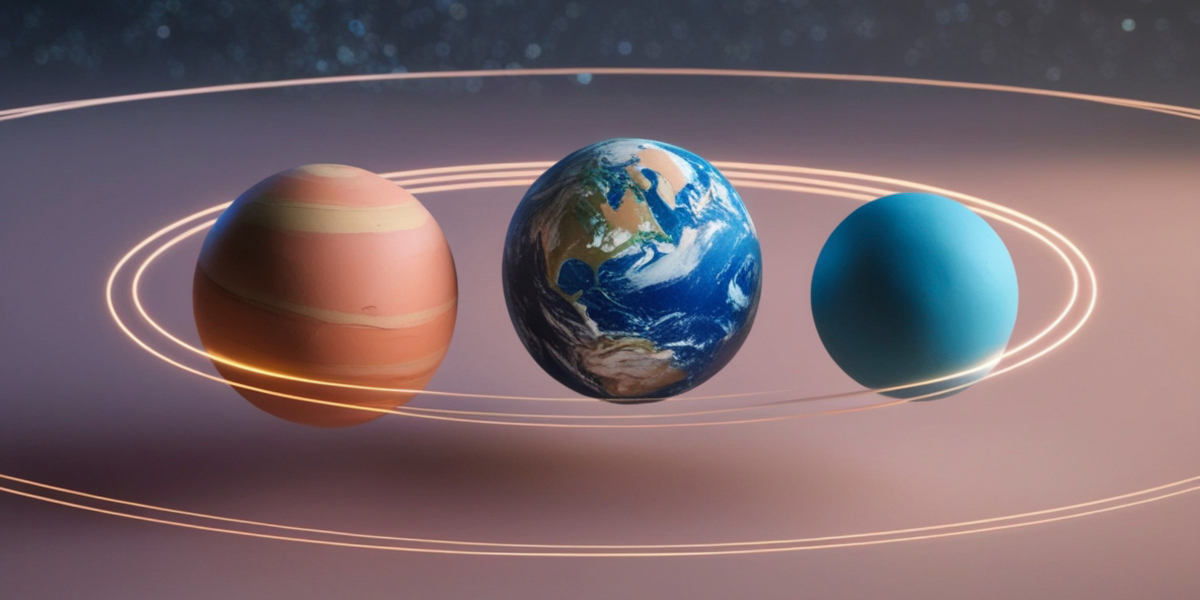
On the evening of February 23, 2026, skywatchers across New York City and the broader United States will have the chance to witness a rare planetary parade, a celestial alignment that brings six planets into close apparent proximity. This event is garnering attention from amateur astronomers, educators, and the public as a striking astronomical phenomenon visible without the need for specialized equipment.
What Is a Planetary Parade?
A planetary parade, sometimes referred to as a planetary alignment, occurs when planets appear to be close together from Earth’s perspective. This doesn’t mean the planets are physically close in space, but rather that their positions along the ecliptic (the Sun’s apparent path) make them visible near one another in the sky. While these alignments are relatively rare, they offer a fascinating spectacle for those interested in the night sky.
On the night of February 23 and surrounding days, observers in New York will be able to see six planets, Mercury, Venus, Jupiter, Saturn, Uranus, and Neptune, aligned above the western horizon shortly after sunset. Mercury, Venus, Jupiter, and Saturn should be visible to the naked eye, while the more distant Uranus and Neptune will require binoculars or a small telescope. These planets will be positioned in such a way that they appear relatively close to each other, creating an unusual and striking visual display in the sky.
Best Viewing Conditions
For those hoping to observe the event from New York:
- Time: The best time to view the planetary parade is about one hour after sunset. At this time, the sky will be dark enough to allow the planets to be visible without interference from the setting Sun.
- Direction: The planets will appear toward the western sky, so it is important to find an area with an unobstructed view of the horizon, such as a rooftop or park.
- Equipment: For the brighter planets, Mercury, Venus, Jupiter, and Saturn, no equipment is necessary. These planets will be easily visible to the naked eye. However, for Uranus and Neptune, binoculars or a small telescope will enhance visibility, as these planets are farther from Earth and therefore appear dimmer.
While the planets won’t align in a perfect straight line, they will be grouped together on one side of the sky, making for a visually stunning and rare spectacle.
Why This Parade Is Special
Although planetary alignments with four or five visible planets occur from time to time, having six planets visible in such close proximity is an unusual event that skywatchers will not want to miss. This planetary parade provides a unique opportunity for people to observe several planets in a single viewing session, which is something that typically only occurs once every few years.
Astronomers point out that it’s relatively easy to distinguish planets from stars. Planets typically shine steadily without the twinkling effect that stars exhibit due to Earth’s atmosphere. This makes the planets easier to identify, even for those who may not be experienced in stargazing.
Educational and Public Appeal
This planetary parade offers both entertainment and educational value for the public. In New York, local observatories, science museums, and astronomy clubs are expected to host public viewing sessions, where people can use telescopes and receive explanations about the planets and their movements. This is a great chance for the public to learn more about our solar system, the mechanics of planetary orbits, and the fascinating science behind such rare celestial events.
In addition, schools and educators can use the event as a real‑world opportunity to teach students about astronomy. With the increasing availability of educational resources and digital tools, the planetary parade is an ideal way to engage young learners with science, inspiring them to explore the wonders of space and the natural world.
For New Yorkers, the event also offers a chance to connect with nature and science in a city where access to the night sky is often limited by light pollution. Locations like rooftops, elevated parks like the High Line, or open areas along the Hudson River can provide excellent viewing opportunities for residents eager to witness the phenomenon.
Hints for New Observers
For those new to stargazing or planetary observation, here are a few tips to make the most of the event:
- Scan the sky gradually: It’s helpful to start by locating the brighter planets, like Venus and Jupiter, before searching for the fainter ones, such as Uranus and Neptune. These bright planets will help orient observers and give them a sense of where to look.
- Check local weather conditions: Clear skies are essential for optimal viewing, so it’s important to check the weather forecast before heading out. Cloud cover can obscure the planets, so choosing a night with minimal clouds will enhance the experience.
- Use apps or star charts: Stargazing apps can help identify the exact positions of the planets in the sky and provide real‑time guidance for observers.
Conclusion
The planetary parade of February 23, 2026, is an event that will be remembered for its rarity and beauty. This celestial alignment offers a chance for both seasoned astronomers and casual skywatchers to witness something extraordinary in the New York sky. Whether for educational purposes, entertainment, or simple curiosity, the event promises to be an accessible and captivating experience for all who look up.