
 Empire State Review Contributor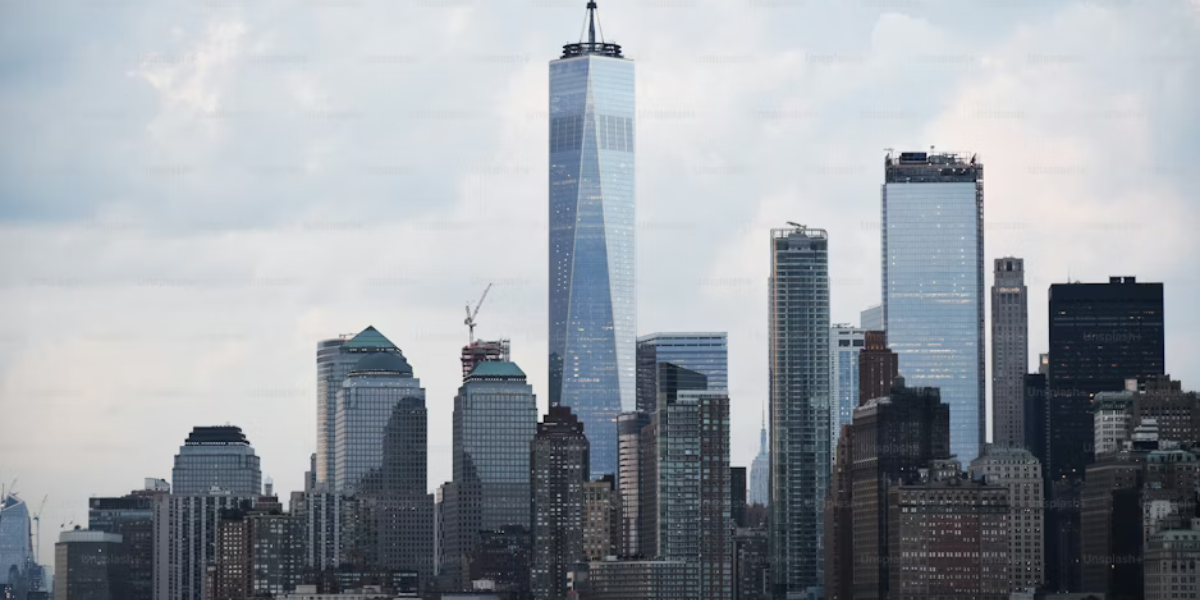
NEW YORK, A defining chapter in Lower Manhattan’s long redevelopment is officially moving forward, as construction is set to begin this spring on the final major office tower at the World Trade Center site. The project marks a major milestone for New York City’s business community and represents the completion of a vision that has evolved over more than two decades.
The 55-story building, known as 2 World Trade Center, will serve as the new global headquarters for American Express, bringing one of the world’s most recognizable financial services companies to the heart of Lower Manhattan. The tower is expected to add approximately 2 million square feet of office space to the area and further strengthen the neighborhood’s position as a leading global business district.
Designed by internationally renowned architect Norman Foster, the structure will feature a modern glass profile intended to complement the existing skyline while reflecting contemporary sustainability and workplace design standards. Construction is projected to continue through the end of the decade, with completion anticipated in the early 2030s.
A Milestone in Lower Manhattan’s Transformation
The development of 2 World Trade Center represents the final piece of the 16-acre redevelopment plan that has reshaped Lower Manhattan since the early 2000s. The site already includes:
- One World Trade Center, now an iconic part of New York’s skyline
- The National September 11 Memorial & Museum
- The Oculus Transportation Hub, a major transit and retail complex
- The Perelman Performing Arts Center, which has added cultural vibrancy to the district
For city leaders and business advocates, beginning construction on the final tower signals confidence in New York’s economic recovery and long-term growth trajectory. It also underscores Lower Manhattan’s continued evolution from a strictly financial district into a mixed-use neighborhood that blends corporate offices, residential developments, retail, and cultural institutions.
Economic Impact and Job Creation
The project is expected to generate thousands of construction jobs over several years, along with long-term employment opportunities once the building is fully operational. American Express’s decision to consolidate its headquarters at the site reinforces New York City’s competitive standing among major U.S. business centers.
Commercial real estate analysts note that this development comes at a pivotal time. Office markets nationwide have faced shifting demand due to hybrid work trends, yet major corporations continue to invest in high-quality, centrally located properties. Lower Manhattan’s transportation accessibility, including multiple subway lines, PATH trains, ferries, and regional rail connections, remains a key advantage.
In addition to employment benefits, the new tower is expected to stimulate local businesses, from restaurants and retail shops to service providers that support office workers and visitors. The ripple effect could contribute to broader economic stability across the borough.
Weather Challenges Continue Across the Region
While this long-term project advances, New Yorkers are also contending with short-term seasonal challenges. Additional snowfall this week has created slick roadways and complicated commuting in parts of the city and surrounding suburbs. Though the accumulation has been modest compared to earlier winter storms this season, icy conditions have prompted transportation advisories and caution for pedestrians.
Transit systems have largely continued operating on regular schedules, but city sanitation crews remain engaged in clearing streets and sidewalks. The recent weather serves as a reminder of the ongoing infrastructure demands that accompany life in the Northeast, particularly during one of the more severe winters in recent years.
A Symbol of Resilience and Forward Momentum
For many residents, the construction of 2 World Trade Center carries symbolic significance beyond its economic impact. The redevelopment of the World Trade Center site has been closely watched by New Yorkers and visitors alike, representing resilience, remembrance, and renewal.
Completing the final office tower signals that Lower Manhattan’s rebuilding phase is entering a new era, one defined not just by restoration, but by modernization and strategic growth. The integration of commercial, cultural, and transportation assets within the district reflects broader urban planning priorities aimed at sustainability, accessibility, and economic diversification.
As construction preparations begin, attention will turn to timelines, architectural milestones, and community engagement throughout the building process. For businesses, workers, and residents, the project stands as a tangible sign that New York continues to invest in its future while honoring its past.
With cranes soon to rise over the final parcel of the World Trade Center complex, February 26, 2026, marks a notable moment in the city’s ongoing transformation, a reminder that even in challenging economic and seasonal conditions, the Empire State remains focused on growth, resilience, and opportunity.