
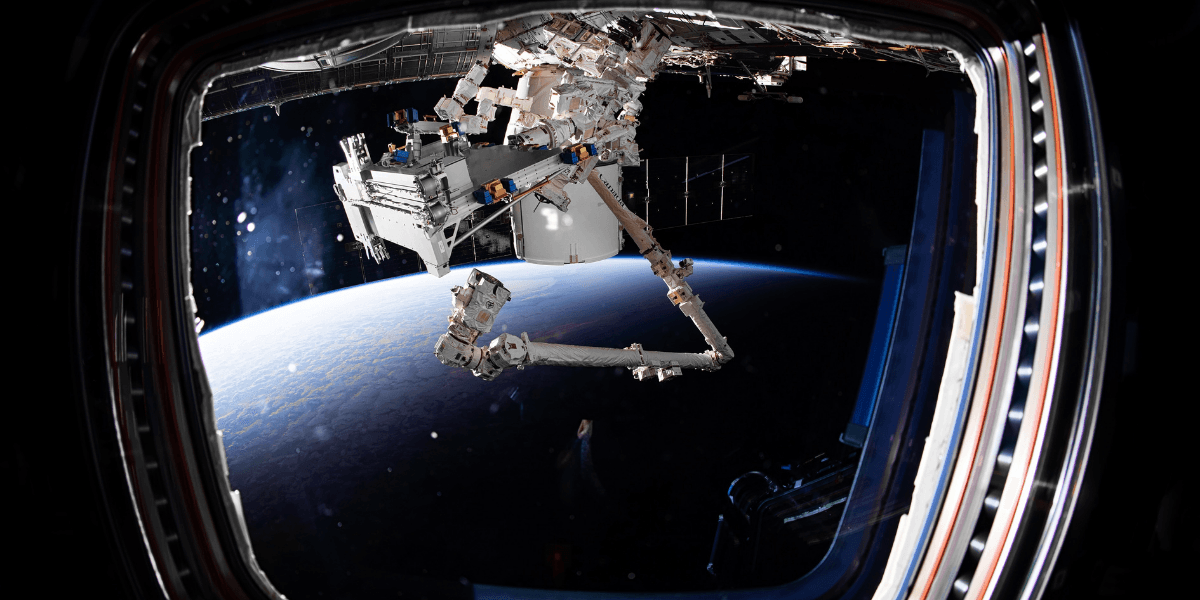
NASA awarded SpaceX three more astronaut missions worth $946 million, extending crew transportation to the space station through 2030.
On September 18, 2026, NASA made a consequential decision about how American astronauts will continue reaching the International Space Station. The agency awarded SpaceX three additional crew rotation missions, extending a partnership that has become central to United States human spaceflight. The NASA SpaceX crew contract modification is valued at $946 million and covers Crew 15, Crew 16, and Crew 17. The agreement gives NASA additional transportation capacity as it manages the final years of the International Space Station program.
The new award brings the number of SpaceX missions ordered under NASA's Commercial Crew Transportation Capability contract to 17. It also raises the total value of the contract with SpaceX to $5.92 billion. The period of performance extends through 2030, with readiness dates for the newly awarded missions falling in 2027 and 2028. The agreement follows NASA's earlier plans to acquire additional flights as it works to maintain dependable transportation to and from the orbiting laboratory.
What The $946 Million NASA SpaceX Crew Contract Covers
The agreement involves considerably more than rocket launches. The $946 million modification includes ground preparation, launch operations, activities in orbit, return and recovery operations, and cargo transportation for each mission. SpaceX's Dragon spacecraft will also provide a lifeboat capability while docked at the International Space Station, giving crew members an emergency means of leaving the orbiting laboratory if necessary.
SpaceX uses its Falcon 9 rocket and Dragon spacecraft for NASA crew missions. Dragon can transport as many as four astronauts along with critical cargo to the station. NASA certified the SpaceX system for astronaut transportation in November 2020. Since then, Dragon missions have become an important part of the agency's regular astronaut transportation operations.
The arrangement represents the continuation of a major change in the American space program. After the space shuttle program ended, NASA sought commercial systems capable of restoring regular domestic astronaut transportation. In 2014, the agency selected SpaceX and Boeing for its Commercial Crew Program. Under this model, private companies develop and operate transportation systems that must satisfy NASA requirements before carrying agency astronauts.
Why NASA Is Adding More SpaceX Missions
NASA's objective is to maintain reliable access to the International Space Station while supporting commercial crew transportation capabilities. The additional SpaceX missions provide greater transportation capacity as the agency manages research, crew rotations, cargo requirements, and other activities aboard the station.
The timing is especially important because the International Space Station is approaching the final phase of its planned operational life. NASA expects station operations to continue through 2030. The newly purchased missions therefore help secure astronaut transportation during a crucial period in the laboratory's remaining schedule.
The International Space Station has served as a continuously occupied laboratory for decades. Astronauts and researchers use its microgravity environment to conduct studies that would be difficult or impossible to perform on Earth. Research aboard the station covers fields including biology, physics, materials science, technology development, and human spaceflight.
The additional missions also give NASA more flexibility as schedules and spacecraft availability evolve. Human spaceflight programs require years of planning, testing, training, and coordination. Securing missions well before their expected launch dates can help the agency prepare crews and supporting operations while maintaining continuity aboard the station.
Commercial Spaceflight Takes A Larger Role
The NASA SpaceX crew contract also illustrates how commercial companies have become increasingly integrated into American human spaceflight. NASA's Commercial Crew Program was designed to use private transportation services for low Earth orbit missions while allowing the agency to direct resources toward other exploration goals.
For SpaceX, the three additional flights extend a series of operational missions that began after NASA certified Dragon for crew transportation in 2020. Each mission involves coordination among astronauts, mission controllers, launch teams, engineers, recovery crews, and International Space Station partners.
The program also demonstrates how government agencies and commercial aerospace companies can divide responsibilities. NASA establishes safety and mission requirements, while contractors provide transportation systems and related services under agency agreements.
What The Decision Means For American Spaceflight
For readers, the key takeaway from the September 18 announcement is that the agreement is about more than three future rocket launches. It helps establish the transportation infrastructure needed to keep astronauts moving between the United States and the International Space Station through the station's final planned years.
The decision also comes during a broader transition in low Earth orbit. NASA has been preparing for an era in which commercial destinations could eventually succeed the International Space Station. Maintaining dependable astronaut transportation during the transition will remain an important part of that process.
For New Yorkers and readers across the country, developments in the commercial space industry provide a window into how the United States is reshaping its approach to human spaceflight. The additional missions show that partnerships between NASA and commercial aerospace companies are no longer experimental concepts. They are part of the operational framework supporting astronauts in orbit today.
As NASA approaches the final years of the International Space Station program, Crew 15, Crew 16, and Crew 17 will form part of the bridge between one era of American spaceflight and the next. The $946 million agreement provides NASA with additional capacity to keep crews moving, research continuing, and the station operating as the agency prepares for what comes after 2030.

Empire State Review Contributor
This article features branded content from a third party. Opinions in this article do not reflect the opinions and beliefs of Empire State Review.
You May Also Like

Green Bay Packers Rally Past New York Jets In Overtime Thriller At MetLife Stadium
Green Bay Packers Rally Past New York Jets In Overtime Thriller At MetLife Stadium

NASA Reveals McGetchin Crater, A Rare New Scar On The Moon
NASA Reveals McGetchin Crater, A Rare New Scar On The Moon

RiverWind Vineyard: A Love Story From Rockland County
RiverWind Vineyard: A Love Story From Rockland County

Lea Michele and Aaron Tveit Announce One-Night-Only New York City Concert
Lea Michele and Aaron Tveit Announce One-Night-Only New York City Concert

New York City Welcomes a Packed September Weekend of Events and Attractions
New York City Welcomes a Packed September Weekend of Events and Attractions
