
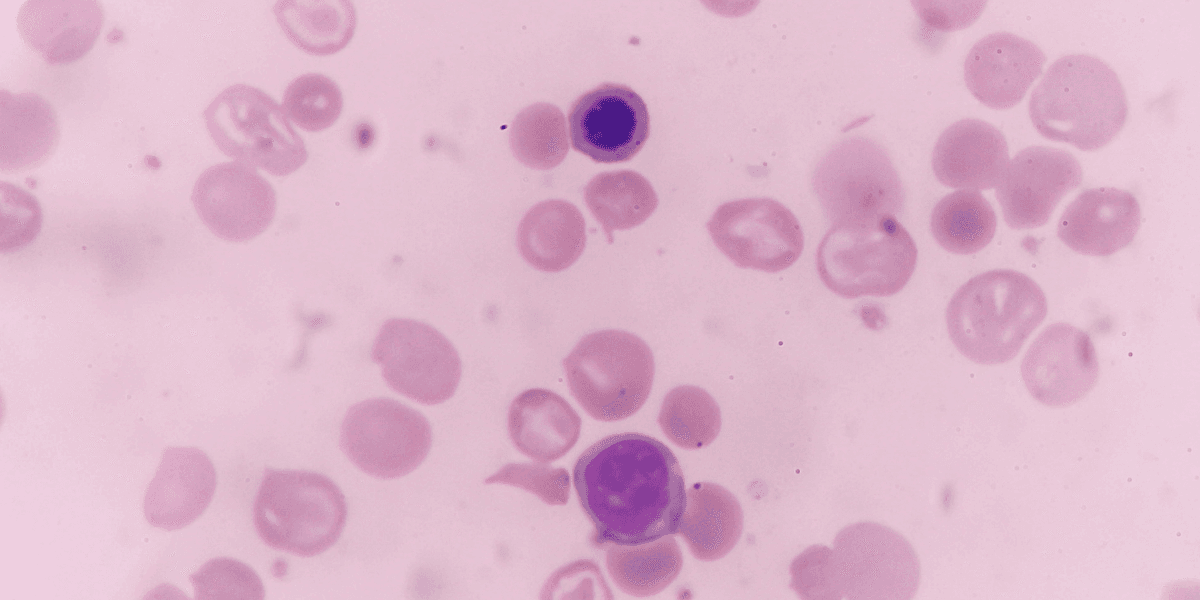
A major foodborne illness outbreak spreading across the United States has sickened more than 11,000 people in 20 states, highlighting the importance of food safety, disease surveillance and rapid public-health response.
The outbreak involves cyclosporiasis, an intestinal illness caused by the parasite Cyclospora cayetanensis. Health officials have linked the recent cases to shredded iceberg lettuce supplied through a food distribution chain and served at Taco Bell restaurants. The outbreak has become one of the largest foodborne illness incidents reported in the United States in recent decades.
The scale of the outbreak has placed additional pressure on state and local health departments as officials work to identify infections, investigate possible sources and respond to patients experiencing symptoms.
What Is Cyclosporiasis?
Cyclosporiasis is an intestinal infection caused by Cyclospora cayetanensis. The parasite is typically transmitted when people consume food or water contaminated with the organism.
Common symptoms include frequent, watery diarrhea, abdominal discomfort, nausea, fatigue and loss of appetite. Some people may also experience weight loss or other digestive symptoms. Symptoms can persist for an extended period, making the illness disruptive for people who become infected.
Because several gastrointestinal illnesses can cause similar symptoms, identifying the source of an infection can require laboratory testing and epidemiological investigation.
The current outbreak has demonstrated the importance of that process. Health departments have been working to connect cases reported in different locations and determine whether patients share a common exposure.
Outbreak Spreads Across Multiple States
More than 11,000 illnesses have been associated with the outbreak across 20 states. Michigan has been among the states particularly affected, placing significant demands on local public-health resources.
The response has involved health workers, laboratories and other public agencies working to investigate cases and process testing. In some locations, laboratories have faced heavy demand as officials attempt to identify infections and distinguish them from other causes of gastrointestinal illness.
Large outbreaks can create challenges beyond treating individual patients. Public-health departments must also investigate where contamination may have occurred, communicate with healthcare providers and consumers, and coordinate information across jurisdictions.
Those responsibilities can become particularly demanding when cases occur in multiple states and involve food distributed through a large supply network.
Why Food Safety Matters
Foodborne illnesses can spread through a variety of pathways, including contaminated ingredients, inadequate handling and problems within food production or distribution systems.
Fresh produce can present particular challenges because it may pass through multiple stages before reaching consumers. An ingredient can be grown, harvested, processed, packaged, transported and ultimately served in restaurants or other food establishments.
When an outbreak is detected, investigators must therefore examine the entire supply chain rather than focusing exclusively on the location where people became sick.
The current cyclosporiasis outbreak illustrates how quickly a foodborne illness investigation can become a nationwide public-health issue. A contaminated ingredient distributed to restaurants in multiple states can potentially result in cases appearing far from the original source.
Pressure on Public-Health Systems
The outbreak has also drawn attention to the resources required to respond effectively to foodborne diseases.
Health departments must maintain surveillance systems, investigate suspected cases and communicate with laboratories and healthcare providers. During a large outbreak, these responsibilities can compete with routine public-health work.
Michigan health officials have faced particularly heavy workloads during the response. Workers have had to devote substantial time to outbreak-related activities while continuing to manage other public-health responsibilities.
Laboratory capacity is another important part of the response. Testing can help confirm infections and establish connections between cases, but large increases in demand can place pressure on laboratories and personnel.
The experience demonstrates why public-health infrastructure matters even when there is no single dramatic event. Disease surveillance, laboratory capacity and trained personnel are essential components of responding to outbreaks when they occur.
What Consumers Should Know
Consumers should pay attention to official food-safety and public-health announcements when an outbreak is under investigation.
People experiencing persistent or severe gastrointestinal symptoms should consider contacting a healthcare professional, particularly if symptoms do not improve. Individuals should also provide healthcare providers with relevant information about recent food consumption and possible exposures when discussing unexplained illness.
At the same time, consumers should rely on information from public-health agencies rather than unverified claims circulating online. Foodborne outbreaks can generate confusion when preliminary information changes as investigators gather additional evidence.
A Broader Lesson for Food Safety
The current outbreak underscores the complexity of protecting the nation's food supply.
Modern food distribution allows ingredients to reach consumers across large geographic areas, providing efficiency and convenience while also making investigations more complicated when contamination occurs.
The response to the cyclosporiasis outbreak will continue to provide important information about how public-health agencies identify foodborne illnesses, trace potential sources and coordinate across state lines.
For consumers, the central takeaway is simple: foodborne illness remains an important public-health concern, and large outbreaks can require extensive coordination among health departments, laboratories, healthcare providers and the food industry.
The incident also demonstrates why strong disease surveillance and food-safety systems are important. Detecting illnesses early, identifying common exposures and communicating reliable information can help officials limit the impact of an outbreak and protect communities across the country.
Category: Health

Empire State Review Contributor
This article features branded content from a third party. Opinions in this article do not reflect the opinions and beliefs of Empire State Review.
You May Also Like
Animal Hospital Of Sullivan County Brings Compassion To Every Chapter Of A Pet’s Life
Animal Hospital Of Sullivan County Brings Compassion To Every Chapter Of A Pet’s Life

Carnegie Mellon Receives Historic $3 Billion Gift To Expand Research And Build Miami Campus
Carnegie Mellon Receives Historic $3 Billion Gift To Expand Research And Build Miami Campus

New York Scientific Data Summit Opens in Manhattan With Focus on AI’s Role in Science and Society
New York Scientific Data Summit Opens in Manhattan With Focus on AI’s Role in Science and Society
Hurricane Nolo Pounds Hawaii With Heavy Rain, Flooding, And Dangerous Surf
Hurricane Nolo Pounds Hawaii With Heavy Rain, Flooding, And Dangerous Surf

Akamai And Anthropic Sign $11.6 Billion Cloud Computing Deal As AI Infrastructure Demand Grows
Akamai And Anthropic Sign $11.6 Billion Cloud Computing Deal As AI Infrastructure Demand Grows