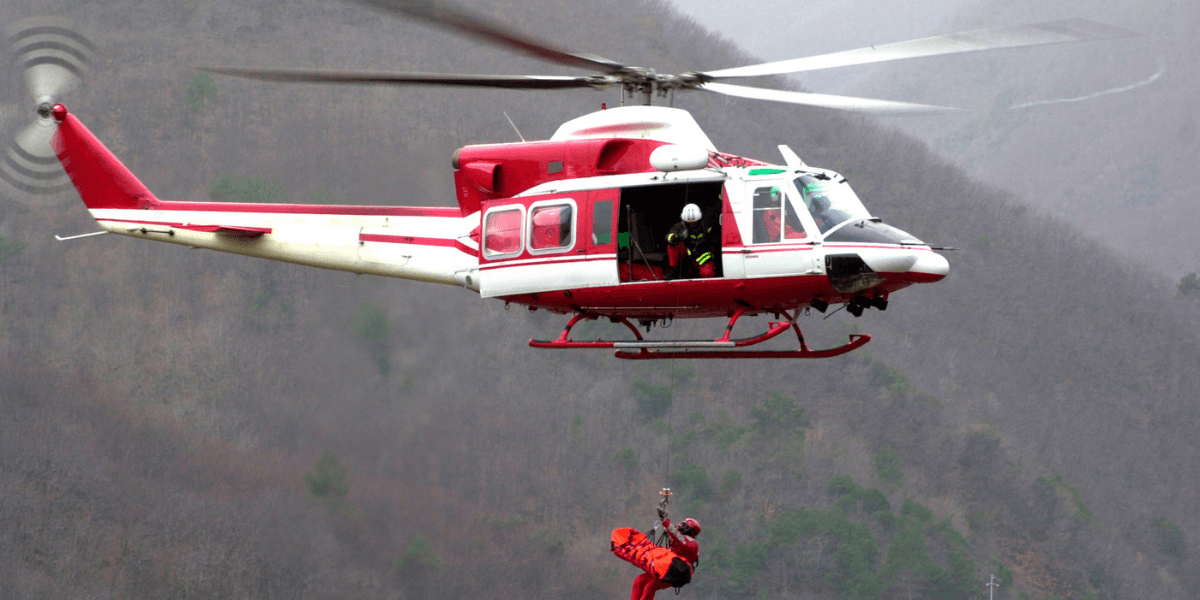
U.S. Navy crews rescued a pilot after a military training jet crashed into the Pacific near Morro Bay, California, on Sept. 22.
A routine training flight off California’s Central Coast turned into an emergency Tuesday evening when a military training jet lost engine thrust and plunged into the Pacific Ocean. The pilot managed to eject before the aircraft hit the water, setting off a response involving the U.S. Navy and Coast Guard near Morro Bay. The pilot was ultimately pulled from the ocean alive, making the rescue the central development in an incident that also raised questions about wreckage and possible marine pollution.
The crash occurred on Sept. 22, 2026, roughly six miles northwest of Morro Bay. The aircraft was identified by federal authorities as an MK 58 Hawker Hunter, a single engine jet used for military training. The aircraft had departed from Point Mugu and was participating in training connected with the U.S. military when the emergency developed.
Pilot Ejects After Jet Loses Engine Thrust
The trouble unfolded during the early evening. According to information released after the crash, the pilot reported losing engine thrust and issued a mayday call. Attempts were made to direct the aircraft toward an airport, but the pilot eventually ejected as the situation deteriorated.
The jet then crashed into the Pacific Ocean.
The U.S. Coast Guard received notification of the downed aircraft at about 7 p.m. Coast Guard personnel responded to the area while a U.S. Navy search and rescue crew also joined the operation. The Navy crew located the pilot in the water and completed the rescue.
The pilot was subsequently transported for medical evaluation. Airborne Tactical Advantage Company, which operated the aircraft, later said the pilot was in good condition.
That outcome prevented the accident from becoming a fatal incident and highlighted the importance of emergency procedures during high risk aviation operations. Ejection systems are designed to provide pilots with a final means of escaping an aircraft when continued flight or a safe landing is no longer possible.
A Jet Used To Support Military Training
The MK 58 Hawker Hunter involved in the crash was operated by Airborne Tactical Advantage Company, a private company that provides aviation services for military training. The aircraft was registered to Hunter Aviation International.
The Hawker Hunter traces its origins to a British fighter aircraft developed during the Cold War era. Although the design is decades old, privately operated examples remain in service for specialized training activities.
Aircraft such as the Hawker Hunter can be used to provide realistic airborne opposition during exercises, giving military crews an opportunity to practice responses in controlled training environments. The company operating the aircraft confirmed that Tuesday’s flight was connected with its existing work supporting the U.S. Navy.
The incident therefore involved a privately operated aircraft supporting military training rather than an active duty U.S. military fighter.
Search Turns To Wreckage And Pollution Concerns
Once the pilot was safe, attention also turned toward the aircraft itself and the potential environmental consequences of a jet entering the ocean.
Coast Guard personnel searched the crash area but initially reported that they had not located wreckage or observed an oil sheen. Federal officials nevertheless continued to treat pollution as a potential concern.
The National Oceanic and Atmospheric Administration reported that the Coast Guard contacted its Scientific Support Coordinator following the crash. Officials requested a trajectory analysis involving 977 gallons of JP 5 jet fuel associated with the incident.
Such analysis can help emergency responders understand where fuel or other material could travel if released into the marine environment. NOAA listed oil as the primary environmental threat connected with the incident.
Mariners in the area were also advised to use caution and report debris or signs of pollution. The warning is significant because aircraft wreckage can create navigation concerns in addition to possible environmental hazards.
Investigation Follows Successful Rescue
Federal aviation authorities identified the aircraft after the crash, while subsequent reporting indicated that the incident would be investigated by the appropriate aviation and military authorities. Determining exactly why the aircraft lost thrust will require examination of available flight information, maintenance records, pilot accounts, and other evidence.
The crash also demonstrates the coordination required when an aviation emergency occurs offshore. Navy rescue personnel, Coast Guard responders, aviation authorities, and environmental specialists can each have different responsibilities following such an accident.
For the public, the most important confirmed fact remains the successful rescue. The pilot survived an emergency involving the loss of engine thrust, ejected from the aircraft, entered the Pacific, and was recovered by a Navy search and rescue crew.
What Comes Next After The Morro Bay Jet Crash
Questions remain about the location and recovery of the aircraft, the precise cause of the engine problem, and whether fuel or wreckage will create environmental or navigation concerns. Those answers will depend on the continuing investigation and response.
The Sept. 22 incident nevertheless offers a clear reminder that training operations can carry serious risks even when they take place away from combat. It also demonstrates why rapid communication, specialized rescue crews, and coordination among federal agencies remain important parts of aviation safety.
For readers nationwide, the Morro Bay military training jet crash is notable not only because an aircraft was lost, but because a potentially deadly emergency ended with the pilot safely recovered from the Pacific. The investigation that follows will now focus on understanding what happened and identifying any lessons that can improve future flight safety.

Empire State Review Contributor
This article features branded content from a third party. Opinions in this article do not reflect the opinions and beliefs of Empire State Review.
You May Also Like
Hurricane Nolo Pounds Hawaii With Heavy Rain, Flooding, And Dangerous Surf
Hurricane Nolo Pounds Hawaii With Heavy Rain, Flooding, And Dangerous Surf

Akamai And Anthropic Sign $11.6 Billion Cloud Computing Deal As AI Infrastructure Demand Grows
Akamai And Anthropic Sign $11.6 Billion Cloud Computing Deal As AI Infrastructure Demand Grows

Green Bay Packers Rally Past New York Jets In Overtime Thriller At MetLife Stadium
Green Bay Packers Rally Past New York Jets In Overtime Thriller At MetLife Stadium
NASA Expands SpaceX Crew Contract With Three More International Space Station Missions
NASA Expands SpaceX Crew Contract With Three More International Space Station Missions

NASA Reveals McGetchin Crater, A Rare New Scar On The Moon
NASA Reveals McGetchin Crater, A Rare New Scar On The Moon