
Communities across the United States came together in a widespread day of civic participation that emphasized unity, economic awareness, and collective responsibility. Known broadly as a modern observance of May Day, the events brought together workers, students, and families in a coordinated effort to reflect on the role individuals play in shaping the nation’s economic and social landscape.
From major metropolitan areas to smaller towns, thousands of organized gatherings took place throughout the day. These included peaceful marches, educational forums, volunteer efforts, and community discussions focused on shared values such as fairness, opportunity, and sustainability. The coordinated nature of the events demonstrated a growing interest in civic engagement and a renewed appreciation for collaboration at the local and national levels.
A central theme of the day was the idea of an “economic pause,” in which many participants chose to step back from routine activities such as work, school, and consumer spending. Rather than causing disruption, this approach was widely seen as a reflective exercise, an opportunity for individuals to consider how everyday actions contribute to broader economic systems. Many participants used the time to engage in community-building activities, attend local events, or spend time with family and neighbors.
Across New York and other states, community leaders highlighted the positive spirit of the gatherings. In urban centers, public spaces became hubs for dialogue and connection, with residents sharing ideas on how to strengthen local economies and support one another. Educational institutions also played a role, with some schools incorporating the day into lessons about civic responsibility, economic literacy, and community involvement.
The renewed attention to May Day reflects a broader trend of increased public engagement in issues that affect daily life. Over the past several years, there has been a noticeable rise in grassroots initiatives that encourage participation beyond traditional channels. The May 1 events demonstrated how these efforts can come together on a national scale while still maintaining a strong local focus.
Business communities also observed the day with interest. While some workplaces operated with reduced activity, others embraced the opportunity to highlight employee well-being and community partnerships. Several organizations used the occasion to host internal discussions, volunteer programs, or outreach efforts, reinforcing the importance of a balanced and supportive work environment.
One of the most notable aspects of the day was its inclusive nature. Participants represented a wide range of backgrounds and professions, reflecting the diversity of the American workforce and society. This inclusivity contributed to a positive and constructive atmosphere, with an emphasis on shared goals rather than differences.
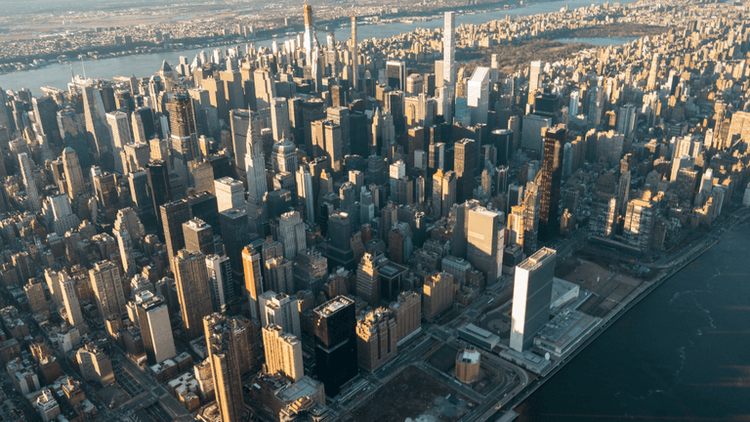
In New York, the day’s events resonated particularly strongly. As a state known for its dynamic economy and diverse population, New York served as a microcosm of the broader national experience. Residents took part in local gatherings that highlighted the importance of community resilience, economic opportunity, and mutual support. Parks, plazas, and community centers hosted events that brought people together in meaningful ways, reinforcing the state’s tradition of civic involvement.
The significance of the May 1 observance lies not only in its scale but also in its message. By encouraging individuals to reflect on their roles within the economy and society, the day fostered a deeper understanding of interconnectedness. It also underscored the value of taking time to engage with one’s community, whether through conversation, collaboration, or shared activities.
For readers, the key takeaway is the growing importance of active participation in shaping the future. Events like those held on May 1 demonstrate that even small actions, such as attending a local gathering or supporting a community initiative, can contribute to a larger sense of progress and cohesion. They also highlight the potential for collective efforts to inspire positive change and strengthen social bonds.
Looking ahead, organizers and community leaders have expressed optimism about building on the momentum generated by this year’s events. Plans are already being discussed for future initiatives that continue to promote engagement, education, and collaboration. As communities reflect on the success of May 1, there is a shared sense that this spirit of unity can extend beyond a single day.
Ultimately, the nationwide observance of May Day in 2026 stands as a testament to the enduring value of community, cooperation, and civic awareness. For New Yorkers and Americans alike, it offers a reminder that progress is often rooted in connection, and that coming together with a shared purpose can create meaningful and lasting impact.

Empire State Review Contributor
This article features branded content from a third party. Opinions in this article do not reflect the opinions and beliefs of Empire State Review.
You May Also Like
RiverWind Vineyard: A Love Story From Rockland County
RiverWind Vineyard: A Love Story From Rockland County

Lea Michele and Aaron Tveit Announce One-Night-Only New York City Concert
Lea Michele and Aaron Tveit Announce One-Night-Only New York City Concert

New York City Welcomes a Packed September Weekend of Events and Attractions
New York City Welcomes a Packed September Weekend of Events and Attractions

U.S. Open Women’s Semifinals Put New York at Center of Tennis World
U.S. Open Women’s Semifinals Put New York at Center of Tennis World
Crown Heights Violence Leaves Several Injured During West Indian Day Parade Festivities
Crown Heights Violence Leaves Several Injured During West Indian Day Parade Festivities