
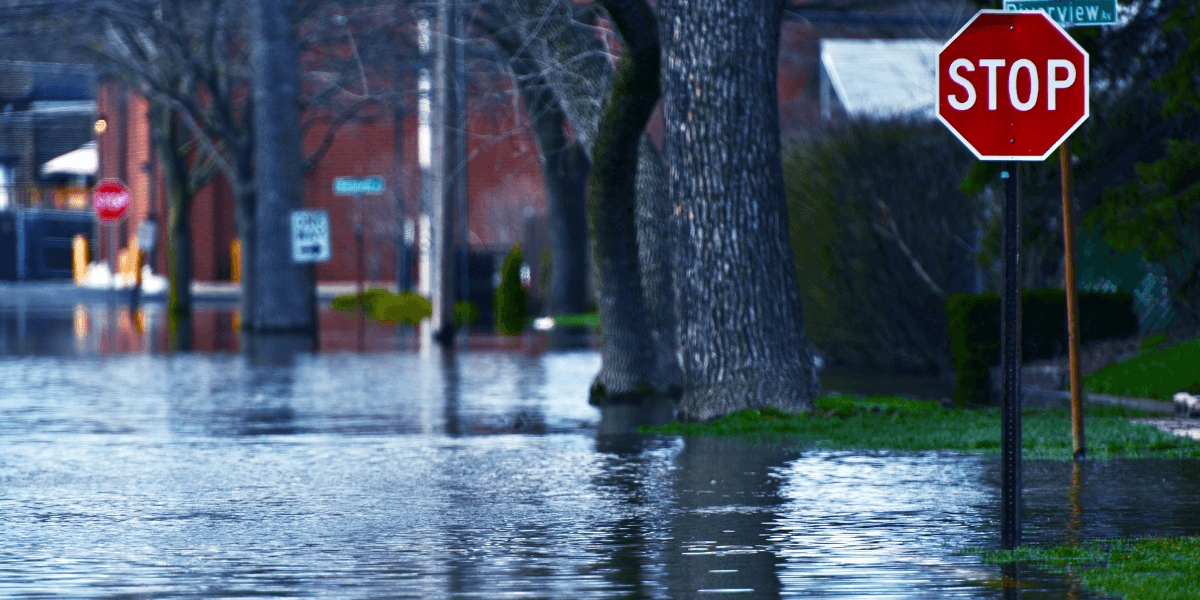
Severe flooding across Indiana has left at least seven people dead and caused widespread damage after several days of heavy rain and powerful thunderstorms. As of Monday, August 17, 2026, floodwaters were beginning to recede in parts of the state, but residents and emergency crews continued dealing with damaged homes, roads, bridges, power outages and unsafe conditions.
The storms began affecting Indiana on August 11, bringing repeated rounds of heavy rainfall to communities across the state. The prolonged nature of the rainfall contributed to rapidly rising rivers and streams, with central Indiana among the hardest-hit areas. Indianapolis and surrounding communities experienced particularly serious flooding as the White River reached record levels.
In parts of the state, rainfall totals exceeded 11 inches over a two-day period. The amount of water overwhelmed drainage systems and caused rivers to rise dramatically. The White River at Noblesville reached approximately 24.6 feet, surpassing the previous record established during the historic 1913 flood.
The flooding forced hundreds of residents to leave their homes as water entered neighborhoods and threatened structures. Emergency responders used boats and other equipment to reach people who were unable to safely leave flooded areas on their own.
Death Toll and Widespread Damage
At least seven people have died in Indiana in connection with the severe weather and flooding. The victims included a 4-year-old boy and adults who died in separate weather-related incidents involving falling trees, flooded areas and damaged roads.
The deaths underscore the dangers created when severe weather affects communities over several consecutive days. Floodwaters can rise quickly, while roads and bridges may become unstable or completely impassable. Officials have continued warning residents to avoid flooded roads and areas affected by structural damage.
Infrastructure has also suffered significant damage. Roads have been washed out, bridges have been damaged or collapsed, and homes and businesses have been inundated. Some neighborhoods remained difficult or impossible to access even after water levels started falling.
Power outages added another challenge for residents and emergency personnel. At the height of the storm, tens of thousands of customers across Indiana were without electricity. Utility crews began restoration work as weather conditions improved, although damaged infrastructure and difficult access to some locations slowed the process.
Record Water Levels in the White River
One of the most notable aspects of the disaster has been the exceptional rise of the White River.
Flooding along the river affected multiple communities, including Indianapolis, Noblesville and Anderson. In Noblesville, the river rose beyond a record established more than a century ago, demonstrating the scale of the rainfall and runoff produced by the storm system.
In Indianapolis, emergency crews carried out numerous rescue operations as water spread into neighborhoods near the river. Some residents were evacuated from homes, while others returned cautiously after floodwaters began to decline.
Although falling river levels provide some relief, officials have emphasized that the end of heavy rainfall does not immediately eliminate flood dangers. Water can continue moving downstream, and saturated ground can remain unstable. Roads and bridges that have been exposed to floodwater also require inspection before they can safely reopen.
Recovery Efforts Underway
By August 17, Indiana had begun moving from immediate emergency response toward recovery in some areas. Crews were working to clear debris, inspect infrastructure, restore utilities and assess damage to homes and businesses.
The recovery process is expected to take considerably longer than the period required for floodwaters to recede. Residents returning to affected properties may encounter damaged electrical systems, contaminated debris, weakened structures and other hazards.
Local officials are also assessing the extent of damage to transportation infrastructure. Roads and bridges are particularly important to recovery because communities depend on them for emergency services, deliveries, utility work and access to homes and businesses.
The disaster has also affected schools, workplaces and other community facilities in areas where flooding damaged buildings or made transportation difficult.
A Reminder of the Risks of Extreme Rainfall
The Indiana flooding highlights how repeated heavy rainfall can create serious hazards even when individual storms appear manageable. When several rounds of rain occur over the same area, rivers and drainage systems may have little opportunity to recover between storms.
For residents in other parts of the United States, including New York, the event provides a reminder of the importance of preparing for flash flooding and prolonged rainfall. Monitoring official weather alerts, knowing local evacuation routes and avoiding flooded roads are among the most important precautions during severe weather.
The situation in Indiana remained a recovery story on August 17, with emergency personnel continuing to assist residents and communities beginning the difficult work of rebuilding. While the immediate threat was easing in some locations, officials continued to warn that damaged infrastructure and remaining floodwaters could pose risks.
The full impact of the disaster will become clearer as authorities complete damage assessments. For now, the historic flooding has demonstrated the destructive potential of prolonged rainfall and the importance of emergency preparedness, reliable weather information and coordinated community response.

Empire State Review Contributor
This article features branded content from a third party. Opinions in this article do not reflect the opinions and beliefs of Empire State Review.
You May Also Like

New York Scientific Data Summit Opens in Manhattan With Focus on AI’s Role in Science and Society
New York Scientific Data Summit Opens in Manhattan With Focus on AI’s Role in Science and Society
Hurricane Nolo Pounds Hawaii With Heavy Rain, Flooding, And Dangerous Surf
Hurricane Nolo Pounds Hawaii With Heavy Rain, Flooding, And Dangerous Surf

Akamai And Anthropic Sign $11.6 Billion Cloud Computing Deal As AI Infrastructure Demand Grows
Akamai And Anthropic Sign $11.6 Billion Cloud Computing Deal As AI Infrastructure Demand Grows

Pilot Rescued After Military Training Jet Crashes Into Pacific Ocean Off California Coast
Pilot Rescued After Military Training Jet Crashes Into Pacific Ocean Off California Coast

Green Bay Packers Rally Past New York Jets In Overtime Thriller At MetLife Stadium
Green Bay Packers Rally Past New York Jets In Overtime Thriller At MetLife Stadium