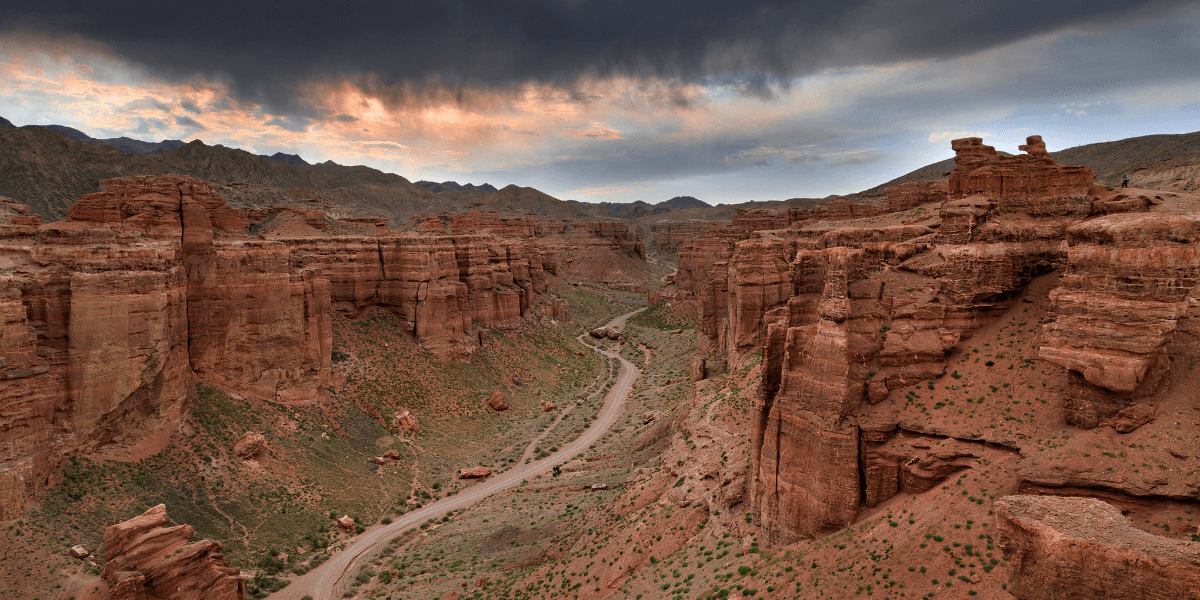
A major flash flood at Grand Canyon National Park has left one person dead, damaged critical infrastructure and prompted an extensive emergency response as officials continue efforts to account for people who may have been in the affected area. The flooding struck Bright Angel Canyon and the Phantom Ranch area on August 29, but its consequences remain a major concern as additional storms threaten the region.
The National Park Service reported that the flash flood began at approximately 2:30 p.m. Saturday in the Bright Angel Creek corridor. By August 30, park officials had evacuated 62 people from Phantom Ranch and the lower North Kaibab Trail, with additional evacuations planned from Cottonwood Campground and Phantom Ranch.
Officials also asked the public for information about more than 20 people who could not initially be accounted for following the flood. The individuals may have been hiking the North Kaibab Trail, staying at Bright Angel Campground or traveling through an area known as the Box.
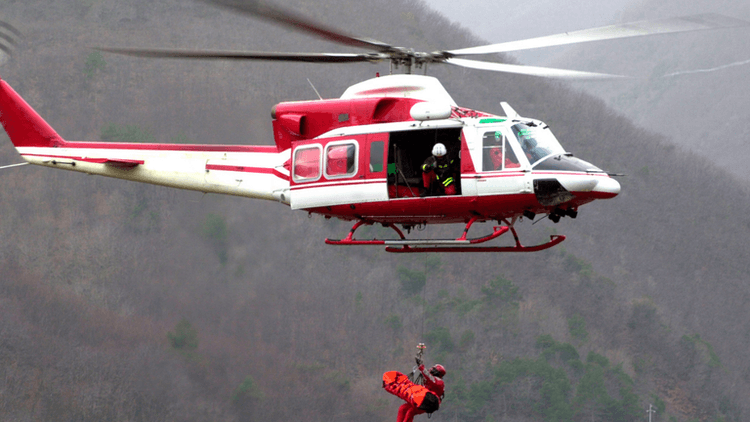
The situation has already resulted in a confirmed fatality. Park officials recovered the body of a 46-year-old man, while a number of people remained missing or unaccounted for as search and evacuation operations continued. Emergency crews have been working in difficult terrain where floodwater and debris have damaged established routes.
Significant Damage Inside the Canyon
The flooding caused extensive damage throughout Bright Angel Canyon. Nearly all footbridges spanning Bright Angel Creek were destroyed, making it impossible for hikers to cross the creek at numerous locations.
Officials are continuing to assess damage to trails, bridges, utilities, facilities and other infrastructure. The extent of the destruction has complicated both search operations and efforts to move people safely out of the affected areas.
Several important visitor areas have been closed, including Phantom Ranch, Bright Angel Campground, the Phantom Ranch Canteen and cabins, and the North Kaibab Trail between the trailhead and Phantom Ranch.
The Black Bridge and Silver Bridge crossings of the Colorado River have also been affected by closures. River travel has been suspended because metal structures and debris entered the Colorado River, creating additional hazards for boaters and other river users.
Park officials have been communicating with river parties already inside the canyon while response teams evaluate conditions and determine the safest way to proceed.
Water Supply Becomes a Major Concern
One of the most significant consequences of the disaster is damage to the Transcanyon Waterline, an important system supplying water for operations on the South Rim.
With the waterline out of operation, the park has been left with limited water reserves. Grand Canyon National Park implemented Stage 4 water restrictions on the South Rim beginning at noon on August 31.
The restrictions are designed to conserve available supplies while officials assess the damage and determine how the water system can be restored.
The water situation illustrates how a severe weather event in the depths of the canyon can affect visitor services and operations far beyond the location where the flooding initially occurred.
Weather Conditions Remain a Concern
Weather conditions contributed significantly to the danger. Severe thunderstorms produced heavy rainfall across parts of northern Arizona, prompting flash-flood warnings for areas around the Grand Canyon.
Additional thunderstorms and heavy rainfall remain possible, meaning conditions could deteriorate again even after the initial flooding has passed.
The terrain surrounding the Grand Canyon can make flash flooding particularly dangerous. Water from rainfall upstream can move rapidly through narrow drainage channels, producing sudden surges that may reach hikers and campsites with little warning.
The risk is further complicated by areas affected by recent wildfires. Burned landscapes can have reduced vegetation and altered soil conditions, allowing rainfall to generate rapid runoff, debris flows and sediment movement.
What Visitors Should Know
People planning trips to the Grand Canyon should check the latest official park conditions before entering affected areas. Closures remain in place in parts of the canyon, and reopening dates may depend on the results of infrastructure inspections and weather conditions.
Visitors should also understand that conditions can vary dramatically across the park. A location experiencing clear weather may still be vulnerable to flooding generated by rainfall elsewhere in the watershed.
Flash floods can occur quickly, particularly in steep canyon environments. Hikers and campers should take official weather warnings seriously and avoid entering closed areas or attempting to cross flooded waterways.
The current emergency also demonstrates the importance of maintaining adequate emergency supplies and being prepared for unexpected changes when visiting remote wilderness areas.
A Continuing Emergency
As of August 31, search and rescue operations remain active while officials continue assessing the damage caused by the flood. Authorities are also working to account for people who may have been in the affected areas when the flooding occurred.
The combination of damaged trails and bridges, disrupted water infrastructure and the possibility of additional storms means conditions inside the canyon remain unstable.
For travelers, the most important takeaway is that Grand Canyon conditions can change rapidly during severe weather. Following official closures, monitoring weather warnings and being prepared to alter travel plans are essential while the park continues its recovery and emergency response.
The full extent of the infrastructure damage and the timeline for reopening affected areas will depend on ongoing assessments. Until those evaluations are complete, visitors should treat official park restrictions as the primary guide for determining where travel is safe.

Empire State Review Contributor
This article features branded content from a third party. Opinions in this article do not reflect the opinions and beliefs of Empire State Review.
You May Also Like

Animal Hospital Of Sullivan County Brings Compassion To Every Chapter Of A Pet’s Life
Animal Hospital Of Sullivan County Brings Compassion To Every Chapter Of A Pet’s Life

Carnegie Mellon Receives Historic $3 Billion Gift To Expand Research And Build Miami Campus
Carnegie Mellon Receives Historic $3 Billion Gift To Expand Research And Build Miami Campus

New York Scientific Data Summit Opens in Manhattan With Focus on AI’s Role in Science and Society
New York Scientific Data Summit Opens in Manhattan With Focus on AI’s Role in Science and Society
Hurricane Nolo Pounds Hawaii With Heavy Rain, Flooding, And Dangerous Surf
Hurricane Nolo Pounds Hawaii With Heavy Rain, Flooding, And Dangerous Surf

Akamai And Anthropic Sign $11.6 Billion Cloud Computing Deal As AI Infrastructure Demand Grows
Akamai And Anthropic Sign $11.6 Billion Cloud Computing Deal As AI Infrastructure Demand Grows