
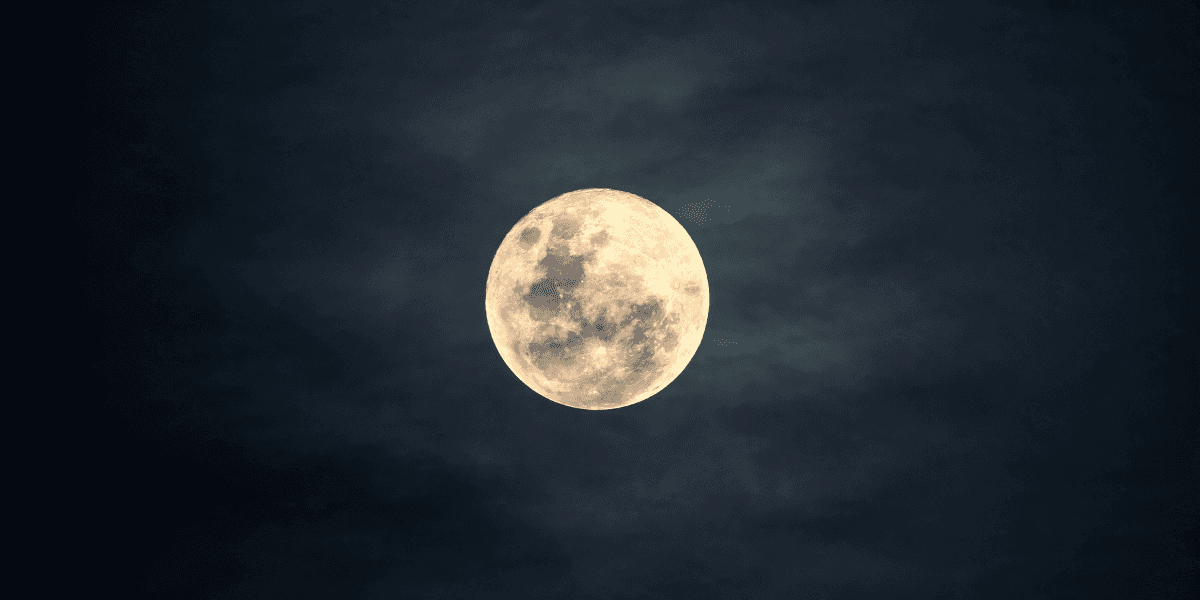
NASA revealed McGetchin crater, a 222 meter lunar impact site that offers scientists a rare look at how the Moon changes after a collision.
A routine check of lunar images turned into an unexpected scientific discovery. On September 16, 2026, NASA detailed the discovery of McGetchin crater, a newly formed impact crater measuring 222 meters, or 728 feet, across. Scientists believe an asteroid or comet fragment struck the Moon in spring 2024, producing a feature large enough to span roughly two American football fields. The McGetchin crater discovery gives researchers an unusually fresh view of what happens when a sizable object collides with the lunar surface.
The crater was identified using observations from NASA's Lunar Reconnaissance Orbiter, which has studied the Moon for more than 17 years. Robert Wagner, an image processing specialist working with data from the spacecraft's camera system, noticed an unusually large bright area surrounded by a darker halo while checking a map for changes. Comparing images taken before and after the event revealed that the feature had not always been there. NASA determined that the impact occurred sometime between April 11 and May 22, 2024.
Why The McGetchin Crater Discovery Matters
McGetchin is about 43 meters, or 141 feet, deep. NASA described it as the largest newly formed crater identified during the Lunar Reconnaissance Orbiter mission. Researchers estimate that an impact capable of creating a crater of this scale happens on the Moon only about once every century or longer. The crater was officially named for Thomas McGetchin, a lunar scientist and volcanologist whose research helped scientists understand the distribution of material thrown outward during large impacts.
Its freshness is especially valuable. The lunar surface is continually altered by impacts and exposure to the space environment. Older craters therefore carry the accumulated effects of long periods of change. McGetchin gives scientists an opportunity to examine a comparatively recent impact before those processes substantially modify the evidence left behind.
Researchers can already see that the collision affected an area far larger than the crater itself. Material excavated by the impact formed a bright blanket around the site. Scientists using the orbiter's Diviner thermal instrument also identified a roughly four mile wide region surrounding the crater that becomes about 16 degrees Fahrenheit cooler at night than nearby terrain. NASA says the impact apparently loosened the lunar soil, making it less dense and less capable of retaining heat.
That finding has practical implications for future lunar exploration. Changes to the density and physical structure of lunar soil can influence how equipment interacts with the surface. Such changes could affect the way rover wheels move across impacted terrain. Understanding how collisions reshape areas beyond their visible crater rims can therefore help researchers build a more complete picture of the environment that future robotic and human missions may encounter.
A Discovery Hidden In Years Of Lunar Images
The discovery also demonstrates the value of long running observation programs. The Lunar Reconnaissance Orbiter Camera has operated since 2009 and captures detailed images that allow researchers to compare the Moon's surface over time. Scientists have identified at least 1,000 new impact craters during the mission and flagged about 100,000 additional surface changes associated with impacts or debris.
Finding McGetchin required more than simply taking a photograph. Wagner used software to compare hundreds of older and newer images, highlighting places where the lunar landscape had changed. The system can generate false signals because shifts in lighting and shadows can resemble physical changes. McGetchin, however, produced a debris pattern so prominent that it immediately stood out. Scientists later used higher resolution images to determine its size, shape, and effects on the surrounding terrain.
The discovery also illustrates why the Moon remains scientifically active even though its landscape can appear frozen in time. Unlike Earth, the Moon lacks a substantial atmosphere capable of burning up or slowing most incoming space debris. Objects can therefore strike its surface at high speed, leaving behind craters and altering the soil around them.
What The Discovery Means For Lunar Science
For readers following space science, the key takeaway is that continuous observation can reveal important events long after they happen. McGetchin formed in 2024, was subsequently identified through comparisons of lunar imagery, and became the subject of NASA reporting in September 2026.
More importantly, the crater provides researchers with a relatively fresh natural laboratory. Scientists can examine how material was displaced, how the surrounding soil changed, and how the impact affected temperatures across a much larger area than the crater itself.
Those observations may contribute to a better understanding of the lunar environment as exploration of the Moon continues. McGetchin crater is a reminder that Earth's nearest celestial neighbor is not an entirely unchanging world. Its surface continues to record collisions from space, and careful observation is allowing scientists to watch that history develop in remarkable detail.

Empire State Review Contributor
This article features branded content from a third party. Opinions in this article do not reflect the opinions and beliefs of Empire State Review.
You May Also Like

RiverWind Vineyard: A Love Story From Rockland County
RiverWind Vineyard: A Love Story From Rockland County

Lea Michele and Aaron Tveit Announce One-Night-Only New York City Concert
Lea Michele and Aaron Tveit Announce One-Night-Only New York City Concert

New York City Welcomes a Packed September Weekend of Events and Attractions
New York City Welcomes a Packed September Weekend of Events and Attractions

U.S. Open Women’s Semifinals Put New York at Center of Tennis World
U.S. Open Women’s Semifinals Put New York at Center of Tennis World

Crown Heights Violence Leaves Several Injured During West Indian Day Parade Festivities
Crown Heights Violence Leaves Several Injured During West Indian Day Parade Festivities