
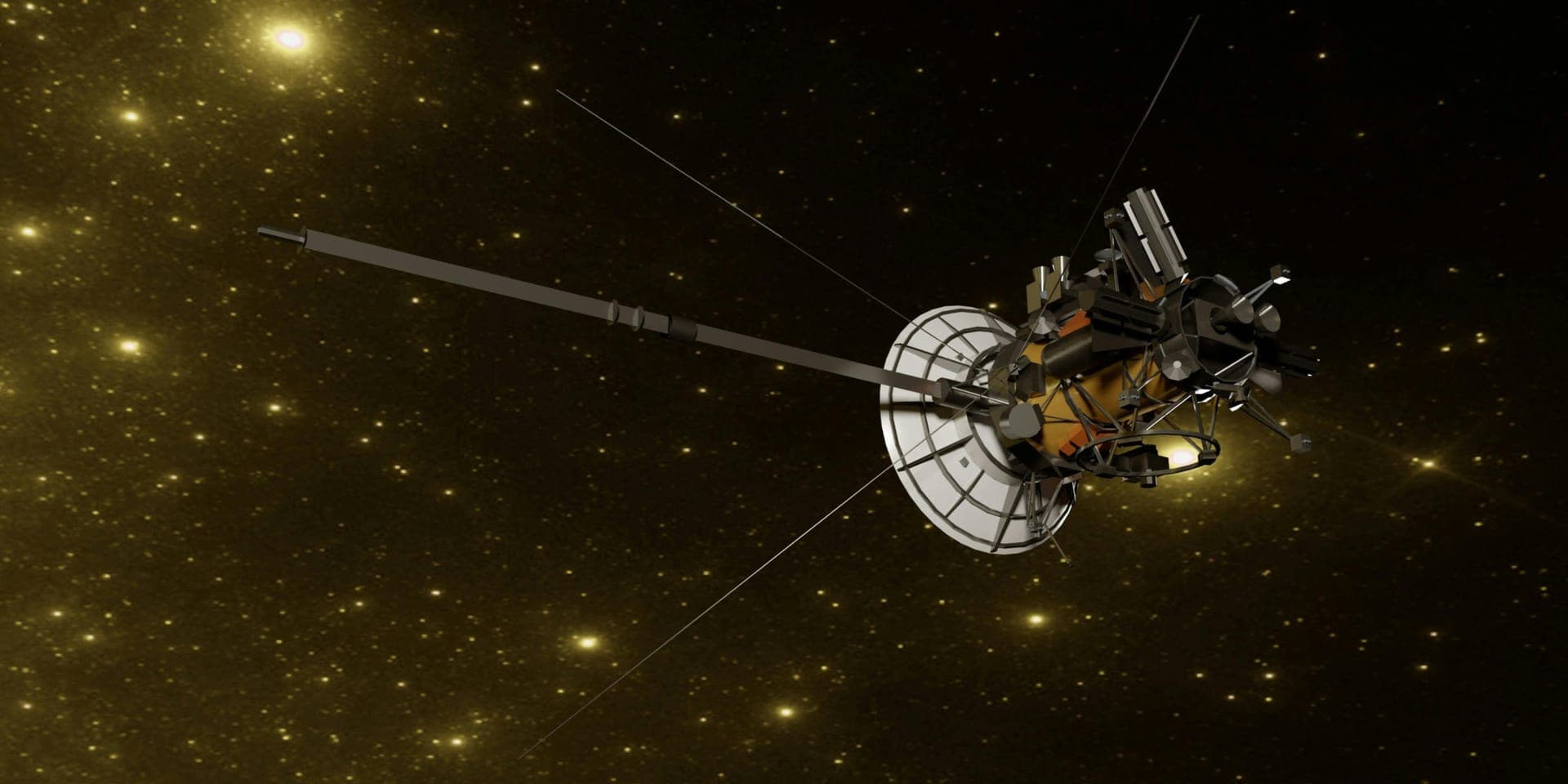
The National Aeronautics and Space Administration (NASA) announced a series of operational and strategic updates in May 2026 aimed at accelerating future space missions, strengthening research capabilities, and improving coordination across ongoing exploration programs. The developments come as the agency continues preparations for upcoming lunar missions, International Space Station operations, and next-generation scientific initiatives that are expected to shape the future of U.S. space exploration.
According to NASA’s 2026 news releases and mission schedules, the agency is expanding its focus on mission efficiency, operational restructuring, and long-term scientific planning. The updates reflect broader efforts to support future lunar exploration under the Artemis program while maintaining partnerships with private aerospace companies and international organizations.
One of the agency’s most significant announcements this month involved an internal realignment intended to accelerate mission delivery and improve operational coordination across NASA divisions. The agency stated that the restructuring is designed to increase mission focus and strengthen implementation of national space priorities. NASA officials noted that the changes are expected to streamline decision-making and improve collaboration between scientific, engineering, and administrative teams.
The timing of the announcement coincides with several important spaceflight and research activities scheduled throughout 2026. NASA’s event calendar shows multiple missions currently in preparation, including cargo resupply launches to the International Space Station, future commercial lunar payload services missions, and additional planning for the Artemis lunar exploration program.
NASA’s SpaceX CRS-34 mission, which launched in May 2026, represents another milestone in the agency’s continued reliance on commercial partnerships to support orbital operations. The mission carries scientific equipment, research materials, and operational supplies to astronauts aboard the International Space Station. Commercial partnerships with companies such as SpaceX have become an increasingly important part of NASA’s broader strategy to reduce operational costs while increasing launch frequency and mission flexibility.
Beyond operational updates, NASA continues to emphasize scientific research tied to human health, deep space travel, and long-duration missions. The agency’s 2026 science planning materials highlight ongoing research into the effects of space environments on the human body, including studies involving blood cell development, astronaut health risks, and biological adaptation during extended spaceflight.
NASA researchers believe this work will play a critical role in preparing astronauts for future lunar and Mars missions. Scientists are particularly focused on understanding how microgravity affects human physiology over extended periods. The findings may also contribute to medical research on Earth, especially in areas related to aging, circulation, and immune system response.
Industry analysts say NASA’s current direction reflects a broader shift in the U.S. space sector toward integrated public-private collaboration. Commercial aerospace firms continue to play a larger role in launch services, spacecraft manufacturing, and scientific technology development. This evolving relationship has helped increase innovation while reducing some of the logistical limitations historically associated with government-led missions.
New York also remains connected to the expanding space economy through financial markets, technology firms, research institutions, and industry events. In April 2026, the New York Stock Exchange hosted its annual Space Summit, bringing together aerospace executives, scientists, investors, and former NASA leadership to discuss the future of commercial space exploration and emerging technologies.
The summit highlighted growing investor interest in aerospace development, satellite communications, and artificial intelligence applications tied to scientific research and mission operations. Experts at the event pointed to increased collaboration between government agencies and private companies as one of the defining trends shaping the industry in 2026.
Public engagement remains another important component of NASA’s strategy. Educational outreach programs, scientific conferences, and astronomy events continue attracting large audiences nationwide. Events such as the Northeast Astronomy Forum and Space Expo in New York have drawn thousands of attendees interested in space science, exploration technology, and astronaut-led presentations.
NASA officials say maintaining public interest in science and exploration is essential for long-term innovation. Increased visibility around lunar exploration and future Mars planning has helped renew public enthusiasm for American space initiatives in recent years.
As NASA moves further into 2026, the agency faces growing expectations surrounding Artemis missions, deep-space research, and scientific discovery. The coming months are expected to include additional operational updates, new mission announcements, and expanded commercial partnerships aimed at supporting future exploration goals.
For researchers, aerospace companies, and the broader public, NASA’s latest developments signal continued momentum in one of the most active periods of American space exploration in decades. The agency’s efforts to modernize operations while expanding scientific capabilities may ultimately influence not only future missions beyond Earth, but also technological innovation and research advancements here at home.

Empire State Review Contributor
This article features branded content from a third party. Opinions in this article do not reflect the opinions and beliefs of Empire State Review.
You May Also Like
Animal Hospital Of Sullivan County Brings Compassion To Every Chapter Of A Pet’s Life
Animal Hospital Of Sullivan County Brings Compassion To Every Chapter Of A Pet’s Life
Carnegie Mellon Receives Historic $3 Billion Gift To Expand Research And Build Miami Campus
Carnegie Mellon Receives Historic $3 Billion Gift To Expand Research And Build Miami Campus

New York Scientific Data Summit Opens in Manhattan With Focus on AI’s Role in Science and Society
New York Scientific Data Summit Opens in Manhattan With Focus on AI’s Role in Science and Society
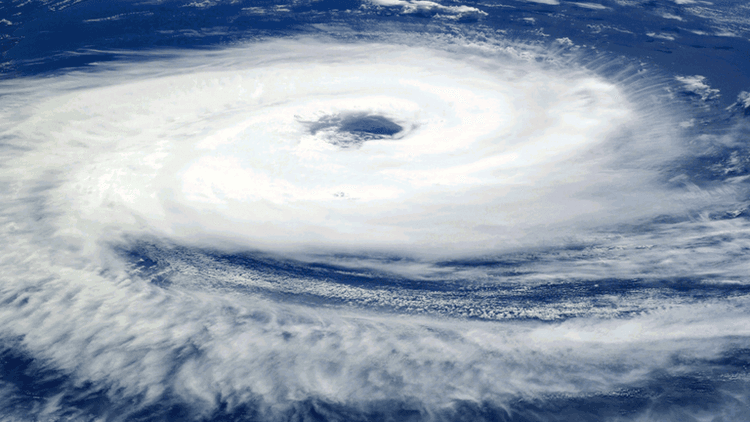
Hurricane Nolo Pounds Hawaii With Heavy Rain, Flooding, And Dangerous Surf
Hurricane Nolo Pounds Hawaii With Heavy Rain, Flooding, And Dangerous Surf

Akamai And Anthropic Sign $11.6 Billion Cloud Computing Deal As AI Infrastructure Demand Grows
Akamai And Anthropic Sign $11.6 Billion Cloud Computing Deal As AI Infrastructure Demand Grows