
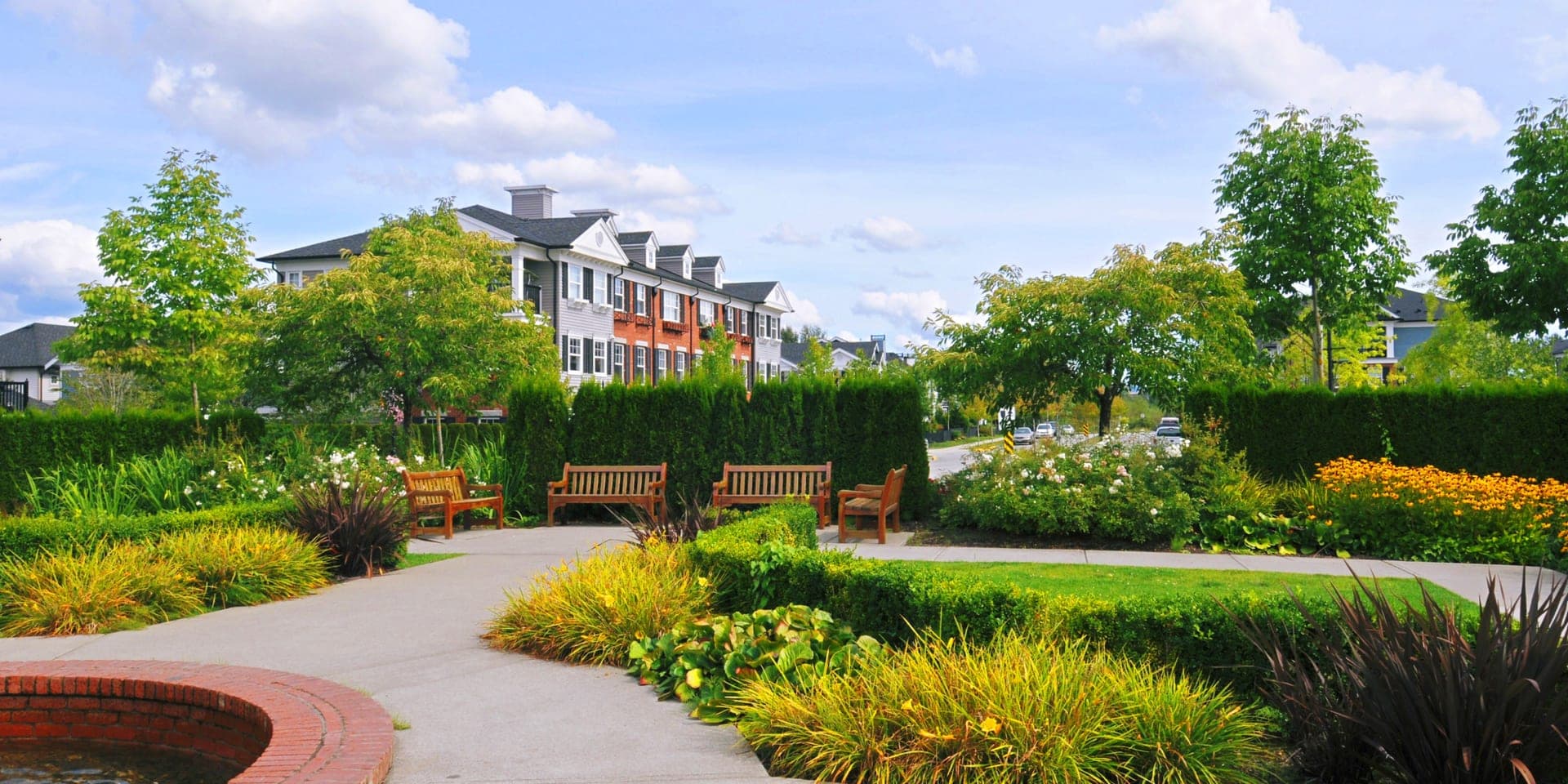
Across New York State, communities are experiencing a growing emphasis on wellness-centered urban development, with cities and towns investing in public green spaces, pedestrian-friendly infrastructure, and community-based recreation programs. These initiatives reflect a broader shift in urban planning priorities that place quality of life, environmental sustainability, and public well-being at the center of local development strategies.
From neighborhood park revitalizations in New York City’s boroughs to small-town riverfront restorations in upstate regions, the movement is reshaping how residents interact with their surroundings. While each project varies in scale and design, the shared goal is clear: creating healthier, more connected communities where outdoor access and recreation are part of everyday life.
Revitalizing Public Spaces for Everyday Use
One of the most visible trends is the transformation of underused or aging public areas into accessible green spaces. Vacant lots are increasingly being repurposed into pocket parks, community gardens, and multi-use recreational areas. These spaces provide residents with places to exercise, relax, and gather, often within walking distance of residential neighborhoods.
In urban boroughs, improvements often focus on increasing tree cover, installing shaded seating areas, and enhancing walking paths. These upgrades not only improve aesthetics but also help reduce urban heat effects during warmer months. In suburban and rural communities, similar efforts are focused on preserving natural landscapes while making them more accessible through walking trails and bike paths.
Local planners and community organizations often collaborate in these projects, ensuring that the redesigned spaces reflect the needs and preferences of nearby residents. Public input sessions, volunteer planting days, and school partnerships have become common features of these revitalization efforts.
Health and Wellness at the Center of Urban Planning
A key driver behind these developments is the growing recognition of the link between environment and public health. Access to green spaces has been associated with increased physical activity, reduced stress levels, and improved mental well-being. As a result, wellness-oriented design is becoming a priority in both new developments and renovation projects.
Many communities are incorporating outdoor fitness equipment, walking loops, and open-air spaces designed for yoga, stretching, or group activities. These features encourage regular physical activity without requiring formal membership or structured programming, making wellness more accessible to a wider population.
Public health advocates note that even small improvements, such as adding benches, improving lighting, or maintaining safe walking routes, can significantly impact how often residents use public spaces. Over time, these enhancements contribute to healthier lifestyles and stronger social connections among neighbors.
Community Gardens and Local Engagement
Another growing aspect of New York’s green space expansion is the rise of community gardens. These shared spaces allow residents to grow fruits, vegetables, and flowers while fostering a sense of ownership and cooperation. In many neighborhoods, community gardens serve as educational hubs where children and adults learn about sustainability, nutrition, and environmental stewardship.
Gardens often become gathering points for local events, workshops, and seasonal celebrations. They also provide opportunities for intergenerational engagement, bringing together long-time residents and newcomers in shared activity. In densely populated areas, where private outdoor space is limited, these gardens play a particularly important role in improving access to nature.
Economic and Cultural Benefits for Local Communities
Beyond health and environmental advantages, green infrastructure projects are also contributing to local economic and cultural vitality. Revitalized parks and public spaces tend to attract increased foot traffic, which can support nearby small businesses such as cafes, local shops, and markets.
In some areas, improved public spaces have also encouraged cultural programming, including outdoor performances, art installations, and seasonal festivals. These events help strengthen community identity while making public spaces more dynamic and inclusive.
Municipal leaders often view these investments as long-term strategies that enhance both livability and local economic resilience. By creating attractive, functional spaces, communities can increase property appeal and encourage sustained local engagement.
Challenges and Long-Term Sustainability
While progress is visible, maintaining and expanding these improvements requires ongoing investment and coordination. Funding constraints, maintenance responsibilities, and equitable access remain important considerations for local governments and community organizations.
Ensuring that all neighborhoods benefit equally from green space development is a continuing priority. Efforts are being made to address disparities by focusing on underserved areas and incorporating community feedback into planning decisions.
Environmental sustainability is also a key focus, with many projects integrating native plantings, water-efficient landscaping, and climate-resilient design elements. These features help ensure that green spaces remain viable and beneficial in the face of changing environmental conditions.
A Continuing Shift Toward Livable Communities
The expansion of wellness-oriented green spaces across New York reflects a broader shift toward prioritizing livability in urban and regional planning. As communities continue to evolve, the emphasis on accessible outdoor areas, environmental responsibility, and public health is expected to remain central to development efforts.
For residents, these changes are increasingly visible in daily life, whether through a newly opened park, a safer walking route, or a community garden taking shape in a once-unused lot. Together, these improvements represent a steady transformation of the state’s public landscape, one that places people, health, and community connection at its core.

Empire State Review Contributor
This article features branded content from a third party. Opinions in this article do not reflect the opinions and beliefs of Empire State Review.
You May Also Like
Animal Hospital Of Sullivan County Brings Compassion To Every Chapter Of A Pet’s Life
Animal Hospital Of Sullivan County Brings Compassion To Every Chapter Of A Pet’s Life
Carnegie Mellon Receives Historic $3 Billion Gift To Expand Research And Build Miami Campus
Carnegie Mellon Receives Historic $3 Billion Gift To Expand Research And Build Miami Campus

New York Scientific Data Summit Opens in Manhattan With Focus on AI’s Role in Science and Society
New York Scientific Data Summit Opens in Manhattan With Focus on AI’s Role in Science and Society

Hurricane Nolo Pounds Hawaii With Heavy Rain, Flooding, And Dangerous Surf
Hurricane Nolo Pounds Hawaii With Heavy Rain, Flooding, And Dangerous Surf

Akamai And Anthropic Sign $11.6 Billion Cloud Computing Deal As AI Infrastructure Demand Grows
Akamai And Anthropic Sign $11.6 Billion Cloud Computing Deal As AI Infrastructure Demand Grows