
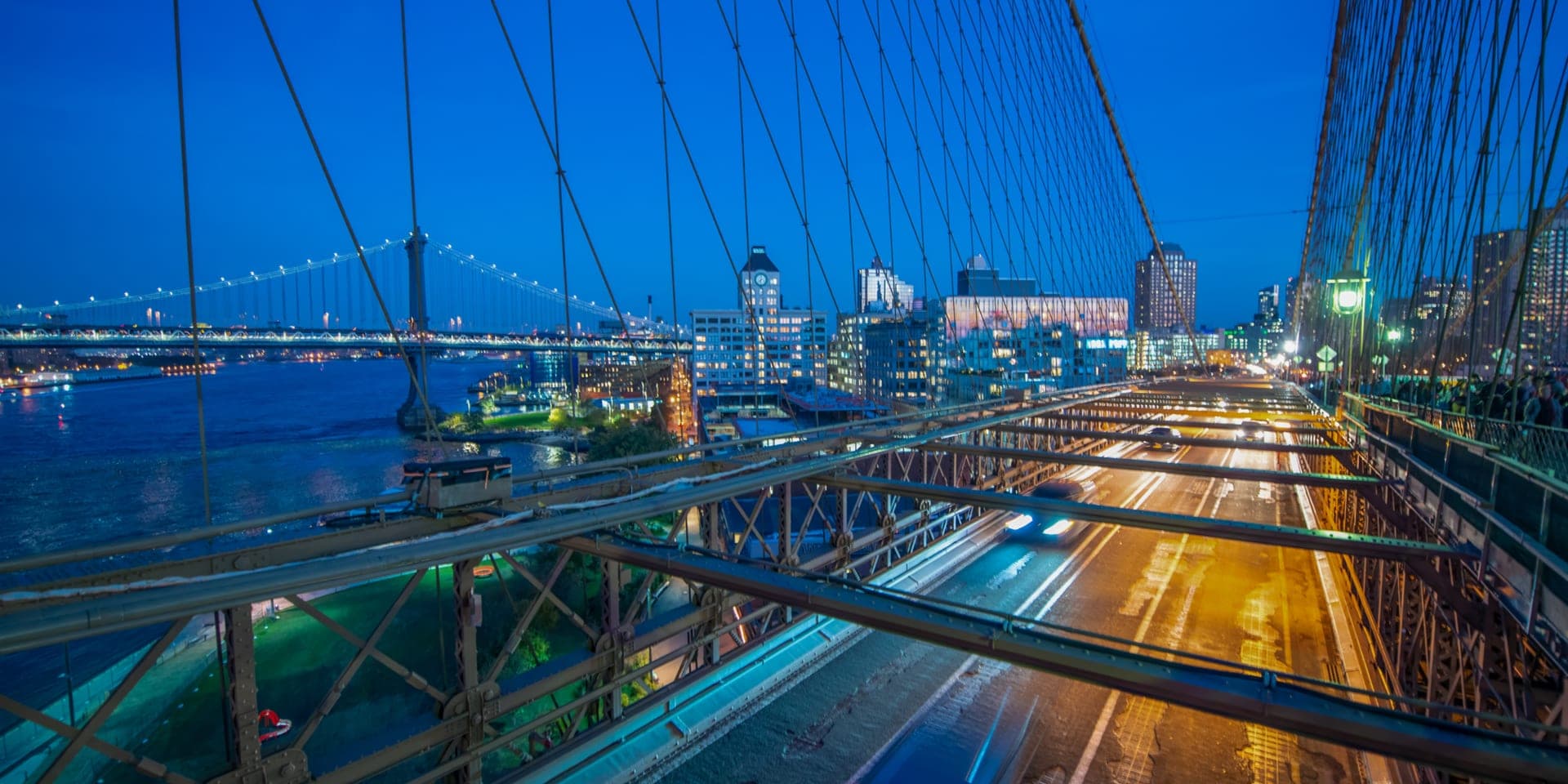
Across New York State, communities are entering a season marked by renewed civic engagement, cultural celebration, and neighborhood-focused development initiatives that continue to strengthen the quality of life for residents. From city parks hosting expanded public programming to local organizations launching youth enrichment activities, the momentum reflects a broader effort to foster connection, accessibility, and shared public spaces throughout the Empire State.
In New York City, boroughs are seeing a wave of community-driven projects designed to bring residents together in meaningful and inclusive ways. Public plazas, waterfront areas, and neighborhood parks have become central gathering points where families, students, and visitors can enjoy free cultural events, outdoor fitness classes, and seasonal festivals. These activities not only promote wellness but also reinforce a sense of belonging in one of the world’s most diverse urban environments.
One of the most noticeable developments this season is the expansion of local arts programming in public spaces. Community arts groups and cultural organizations have been working with neighborhood councils to bring live performances, outdoor exhibits, and interactive workshops directly into parks and street plazas. These initiatives highlight the city’s long-standing commitment to making arts and culture accessible to everyone, regardless of background or income level.
In neighborhoods across Manhattan, Brooklyn, Queens, the Bronx, and Staten Island, small businesses are also benefiting from increased local foot traffic tied to these events. Cafés, bookstores, and family-owned shops report steady weekend activity as residents and tourists alike explore cultural corridors and participate in community festivals. This renewed engagement has helped reinforce the role of small businesses as essential pillars of local economic vitality.
At the same time, youth-focused programs have expanded significantly during the summer months. Educational nonprofits and recreation departments have partnered to offer structured activities including sports leagues, coding workshops, environmental education sessions, and creative writing camps. These programs aim to provide young residents with safe, enriching environments while encouraging skill development and teamwork.
In several borough parks, volunteer-led initiatives have also taken root, focusing on sustainability and environmental stewardship. Community gardening projects have grown in popularity, with residents collaborating to plant flowers, vegetables, and native greenery in shared spaces. These gardens not only beautify neighborhoods but also promote awareness about urban ecology and sustainable living practices.
Public libraries across the city continue to play a key role in this season’s community engagement efforts. Many branches have expanded their programming to include reading circles, digital literacy classes, and job readiness workshops. These services are particularly valuable for residents seeking to build new skills or access resources that support personal and professional development.
Transportation hubs and pedestrian areas have also seen improvements in accessibility and usability, with local agencies working to enhance signage, seating, and walkability. These upgrades contribute to a more comfortable urban experience for commuters and visitors, while encouraging greater use of public transit and walking as everyday options.
Cultural diversity remains one of the most celebrated aspects of life in New York, and this is reflected in the wide range of festivals and heritage events taking place throughout the season. Food fairs, music performances, and cultural parades highlight the traditions of communities from around the world, reinforcing the city’s identity as a global hub of cultural exchange.
Looking ahead, community leaders emphasize the importance of sustaining this momentum beyond the summer months. Many of the current initiatives are designed not only as seasonal activities but as long-term investments in neighborhood cohesion, youth engagement, and public well-being. Continued collaboration between residents, nonprofit organizations, and local institutions is expected to play a central role in shaping the city’s future development.
As New York continues to evolve, the emphasis on inclusive growth and community-centered programming reflects a shared vision of progress, one that prioritizes accessibility, creativity, and connection. Whether through a neighborhood performance in a local park, a volunteer gardening project, or a youth sports league, these everyday experiences contribute to a broader narrative of resilience and optimism across the Empire State.

Empire State Review Contributor
This article features branded content from a third party. Opinions in this article do not reflect the opinions and beliefs of Empire State Review.
You May Also Like
Animal Hospital Of Sullivan County Brings Compassion To Every Chapter Of A Pet’s Life
Animal Hospital Of Sullivan County Brings Compassion To Every Chapter Of A Pet’s Life
Carnegie Mellon Receives Historic $3 Billion Gift To Expand Research And Build Miami Campus
Carnegie Mellon Receives Historic $3 Billion Gift To Expand Research And Build Miami Campus
New York Scientific Data Summit Opens in Manhattan With Focus on AI’s Role in Science and Society
New York Scientific Data Summit Opens in Manhattan With Focus on AI’s Role in Science and Society

Hurricane Nolo Pounds Hawaii With Heavy Rain, Flooding, And Dangerous Surf
Hurricane Nolo Pounds Hawaii With Heavy Rain, Flooding, And Dangerous Surf

Akamai And Anthropic Sign $11.6 Billion Cloud Computing Deal As AI Infrastructure Demand Grows
Akamai And Anthropic Sign $11.6 Billion Cloud Computing Deal As AI Infrastructure Demand Grows