
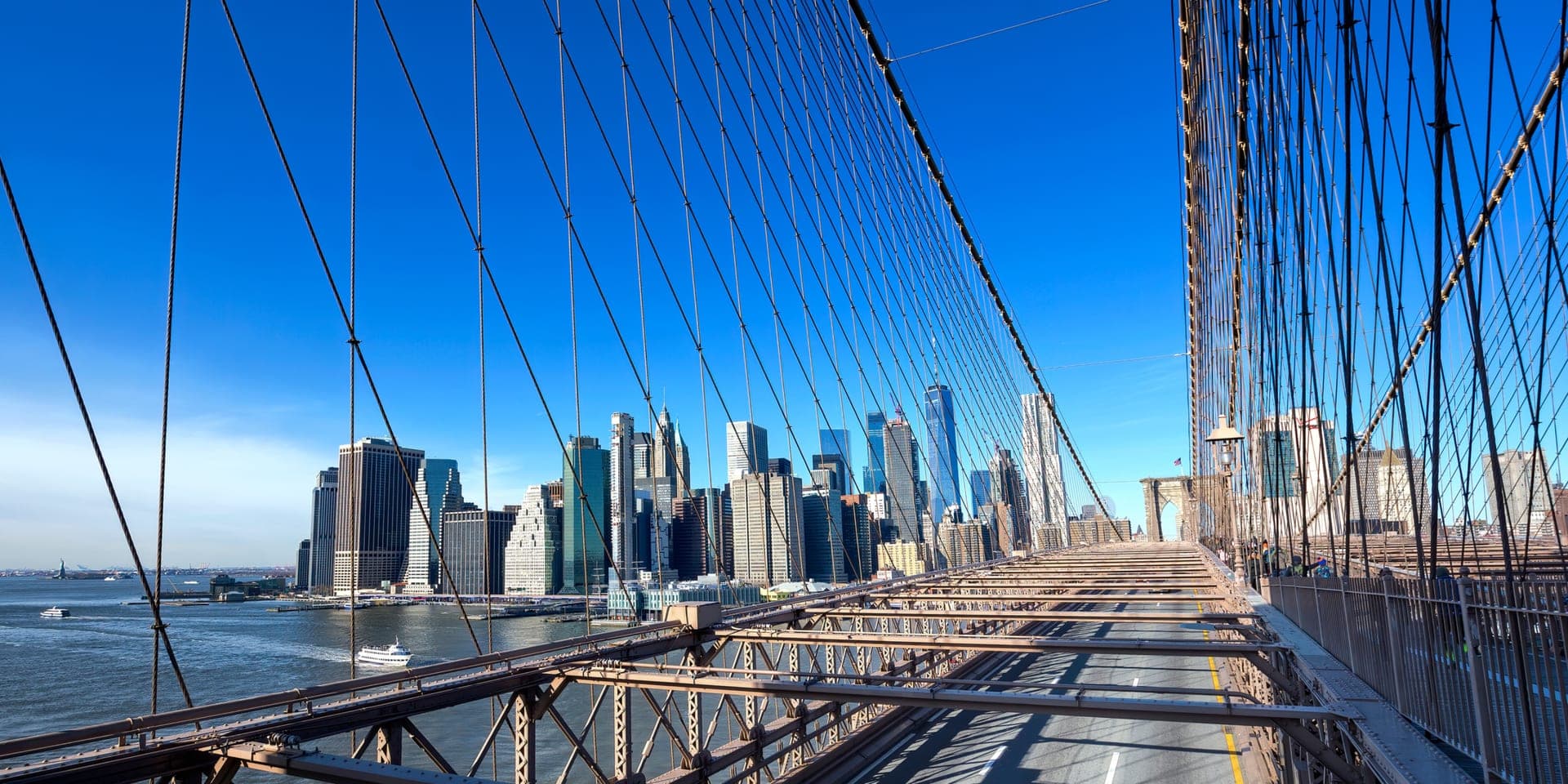
New York City today announced a major expansion of its waterfront green mobility network, unveiling a series of new pedestrian, cycling, and ferry-connected corridors designed to improve sustainable transportation, enhance public access to waterfront spaces, and strengthen connectivity between key boroughs. The initiative marks one of the city’s most ambitious infrastructure and livability projects in recent years, reflecting a continued commitment to climate resilience, urban accessibility, and quality-of-life improvements for residents and visitors.
City officials described the project as a “transformational step” toward a more connected and environmentally friendly New York, emphasizing that the expansion will make commuting more efficient while offering safer, greener, and more scenic travel alternatives across parts of Manhattan, Brooklyn, Queens, and the Bronx.
A Network Designed for People and the Environment
The newly expanded waterfront mobility corridor integrates upgraded pedestrian walkways, dedicated cycling lanes, and improved ferry terminal access points. The project builds on previous investments in waterfront revitalization by linking existing greenways into a more continuous system, allowing residents to travel longer distances without relying on traditional vehicle traffic routes.
One of the central features of the expansion includes enhanced connections between Brooklyn’s East River waterfront and Manhattan’s Lower East Side and Midtown ferry terminals. These upgrades are designed to support both daily commuters and recreational users, creating smoother transitions between land-based and water-based transit systems.
City planners emphasized that the design prioritizes safety and accessibility, incorporating wider pedestrian pathways, improved lighting, clearer signage, and expanded bike storage facilities near major transit hubs. Accessibility ramps and mobility-friendly infrastructure have also been added to ensure the network is inclusive for individuals of all ages and abilities.
Supporting Sustainable Urban Living
A key goal of the initiative is to reduce reliance on high-emission transportation methods by encouraging walking, cycling, and ferry usage. Officials noted that expanding green mobility options not only reduces traffic congestion but also contributes to improved air quality and lower carbon emissions across the city.
Environmental planners involved in the project highlighted that waterfront corridors naturally support climate adaptation efforts by strengthening the city’s resilience against rising sea levels and extreme weather events. The redesigned pathways incorporate elevated segments and improved drainage systems in areas previously vulnerable to flooding.
In addition, the project includes the planting of thousands of native trees and shrubs along key routes, helping to create shaded pathways and restore ecological balance along heavily developed waterfront zones.
Economic and Community Benefits
Beyond environmental advantages, the expansion is expected to bring significant economic and community benefits. Local businesses near waterfront areas are anticipated to see increased foot traffic as improved accessibility attracts more residents and tourists to explore neighborhoods along the new corridors.
Small business owners in Brooklyn and Lower Manhattan have expressed optimism about the initiative, noting that better pedestrian and cycling infrastructure often leads to stronger neighborhood engagement and increased local spending.
The project is also expected to create hundreds of construction and maintenance jobs during its development phase, supporting workforce opportunities in infrastructure, engineering, landscaping, and urban planning sectors.
Community leaders have praised the initiative for prioritizing public space improvements that enhance daily life. Many have highlighted the importance of accessible waterfront areas in fostering community well-being, providing safe recreational spaces, and encouraging outdoor activity.
Strengthening Connections Across Boroughs
One of the most impactful aspects of the expansion is its focus on inter-borough connectivity. By linking ferry terminals more seamlessly with bike and pedestrian networks, the city is making it easier for residents to move between boroughs without relying solely on cars or subways.
The upgraded ferry integration system is expected to reduce travel times for certain cross-borough routes while offering commuters an alternative that is both scenic and efficient. Early planning estimates suggest that usage of ferry-linked corridors could increase significantly as awareness of the improved network spreads.
Cyclists, in particular, are expected to benefit from uninterrupted greenways that allow for longer, safer rides along the waterfront, connecting recreational areas, parks, and commercial districts.
Public Response and Future Outlook
Early public response to the announcement has been overwhelmingly positive, with residents expressing enthusiasm for expanded outdoor infrastructure and improved mobility options. Urban mobility advocates have also praised the project as a model for other major cities seeking to balance growth with sustainability.
City officials have indicated that this expansion is part of a broader long-term vision to create a fully integrated green transportation network across New York City. Future phases may include additional waterfront links, expanded ferry routes, and further enhancements to pedestrian and cycling infrastructure in underserved areas.
A Step Toward a More Connected New York
The waterfront mobility expansion represents a significant milestone in New York City’s ongoing efforts to build a more sustainable, accessible, and livable urban environment. By connecting communities more effectively and prioritizing environmentally responsible transportation, the initiative reflects a forward-looking approach to urban development.
As construction and implementation continue, the project is expected to play a key role in shaping how New Yorkers experience their city, encouraging healthier lifestyles, supporting local economies, and reinforcing the city’s identity as a global leader in innovative urban planning.
For residents across the Empire State, the expansion signals a positive shift toward a future where mobility, sustainability, and community connection go hand in hand.

Empire State Review Contributor
This article features branded content from a third party. Opinions in this article do not reflect the opinions and beliefs of Empire State Review.
You May Also Like

Animal Hospital Of Sullivan County Brings Compassion To Every Chapter Of A Pet’s Life
Animal Hospital Of Sullivan County Brings Compassion To Every Chapter Of A Pet’s Life
Carnegie Mellon Receives Historic $3 Billion Gift To Expand Research And Build Miami Campus
Carnegie Mellon Receives Historic $3 Billion Gift To Expand Research And Build Miami Campus

New York Scientific Data Summit Opens in Manhattan With Focus on AI’s Role in Science and Society
New York Scientific Data Summit Opens in Manhattan With Focus on AI’s Role in Science and Society

Hurricane Nolo Pounds Hawaii With Heavy Rain, Flooding, And Dangerous Surf
Hurricane Nolo Pounds Hawaii With Heavy Rain, Flooding, And Dangerous Surf

Akamai And Anthropic Sign $11.6 Billion Cloud Computing Deal As AI Infrastructure Demand Grows
Akamai And Anthropic Sign $11.6 Billion Cloud Computing Deal As AI Infrastructure Demand Grows