
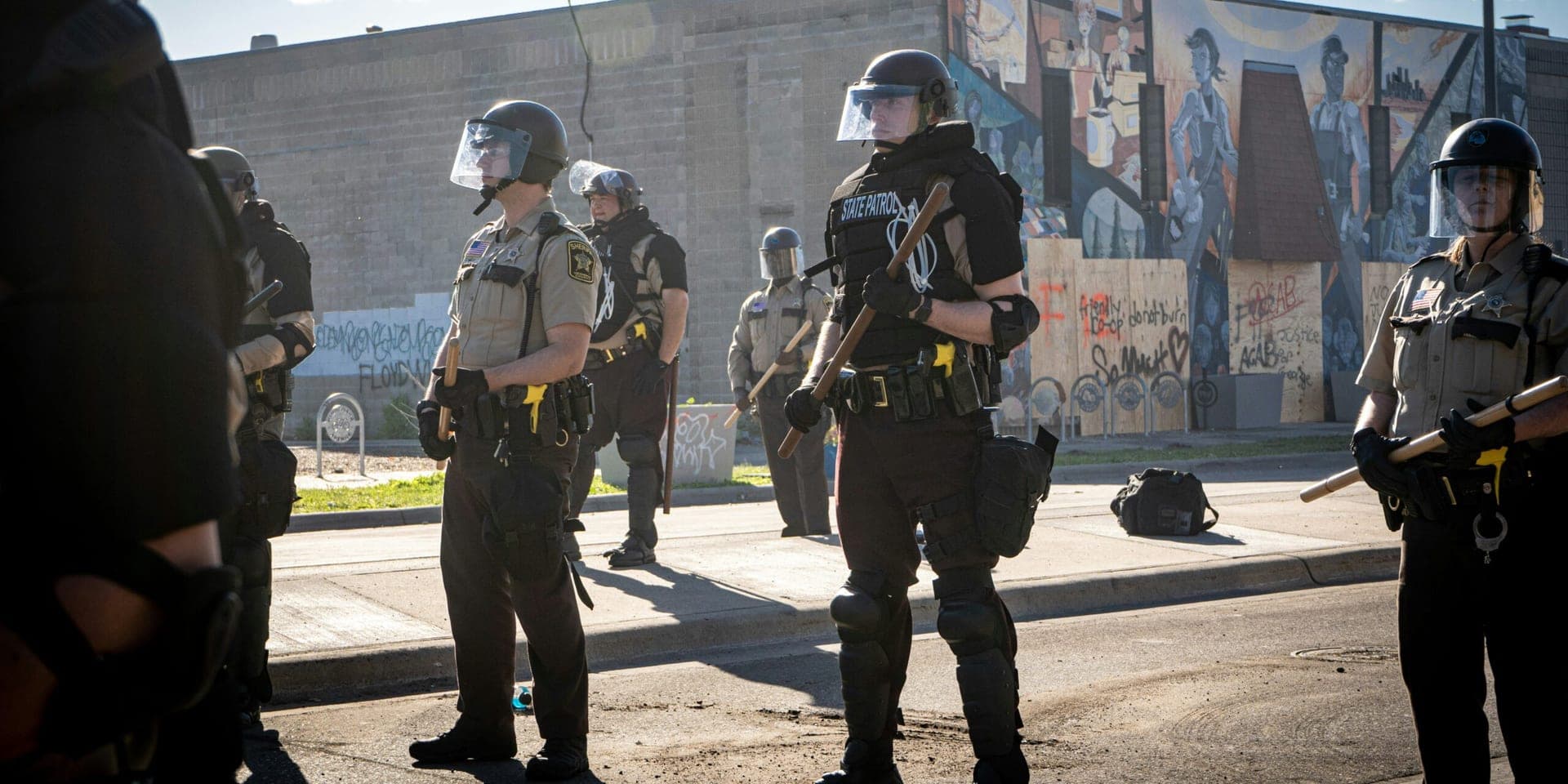
The tragic fatal shooting of Alex Jeffrey Pretti by a United States Border Patrol agent in Minneapolis has sparked a significant national debate surrounding law enforcement’s use of force, particularly by federal immigration enforcement agencies. The shooting, which occurred during an immigration enforcement operation in the city, has captured widespread attention and sparked protests, calls for federal investigations, and intense scrutiny of how federal law enforcement agencies, such as Border Patrol, engage with civilians in urban environments.
Pretti, a 37-year-old U.S. citizen and intensive care unit nurse, was shot during the operation, which was reportedly aimed at apprehending undocumented individuals. At the time of the shooting, Pretti was not the target of the operation, but instead appeared to be in the vicinity of the agents’ activities. According to the official accounts from Border Patrol, Pretti allegedly approached the agents while carrying a firearm, and the officers responded by firing in self-defense after an altercation. However, video footage obtained from bystanders at the scene paints a starkly different picture. Several videos appear to show Pretti being subdued by agents, who reportedly used pepper spray before firing shots, leading to questions about the appropriateness and necessity of the force used.
Witnesses and activists have expressed skepticism about the official narrative, with some video clips suggesting that Pretti did not have a firearm in his hands during the confrontation. Instead, some footage shows him appearing to hold a cellphone, adding further fuel to concerns over the accuracy of the federal account. The discrepancies between the federal version of events and the bystander videos have ignited a firestorm of debate about the transparency and accountability of federal law enforcement agencies, especially in the context of immigration enforcement operations.
The fallout from the shooting has rippled through communities in Minneapolis and across the nation, particularly in areas where tensions between local residents and federal law enforcement are already high. Protesters have taken to the streets, demanding justice for Pretti and calling for a reevaluation of federal enforcement practices. These demonstrations are not an isolated response; they are part of a growing movement against what many see as excessive use of force by federal agencies like Border Patrol and Immigration and Customs Enforcement (ICE). This incident comes in the wake of another controversial federal law enforcement-related death in Minneapolis earlier in the month, further fueling public outrage and creating a sense of urgency for change.
In addition to local protests, there have been widespread calls for federal investigations into the incident. Minnesota lawmakers, as well as civil rights groups, have demanded that an independent investigation be launched into the shooting, urging that the federal government be held accountable for the actions of its officers. Legal experts have weighed in on the matter, stressing that an unbiased and thorough review of the evidence, including the body-camera footage, is essential to determining whether the agents acted appropriately. Furthermore, some state officials have expressed frustration over the limited access they’ve had to crucial evidence and materials, raising concerns about transparency and the ability of state and federal agencies to cooperate in the investigation.
The incident has also brought to the forefront the broader issue of federal law enforcement practices, particularly in urban areas where Border Patrol agents are increasingly being deployed. Critics of the current immigration enforcement strategy argue that it disproportionately targets communities of color and often leads to confrontations with civilians who are not the focus of the operations. Additionally, there are growing concerns about the role of federal law enforcement in local policing, especially when the presence of such agencies leads to an erosion of trust between law enforcement and communities. Critics argue that these types of incidents exemplify the need for reform, not only in how immigration enforcement is carried out but also in how agencies like Border Patrol interact with civilians on the ground.
Supporters of Border Patrol’s actions have defended the agents’ conduct, arguing that law enforcement officers face difficult, often dangerous situations when enforcing immigration laws. They point to the significant training that agents undergo and argue that in high-pressure moments, such as the one witnessed in Minneapolis, officers must make split-second decisions to protect themselves and others. However, even those who support Border Patrol’s mission agree that questions about the use of force, particularly in urban areas where agents are not typically deployed, need to be addressed through clearer rules of engagement and stronger oversight mechanisms.
Pretti’s family, friends, and colleagues have been vocal in disputing the official account of his death. Those who knew him describe him as a compassionate ICU nurse, dedicated to helping others. They have mourned the loss of a man who spent his career caring for the most vulnerable members of society. A growing memorial at the scene of the shooting, alongside community vigils, has served as a poignant reminder of the human cost of this incident. The protests have underscored how the shooting of a single individual has become a symbol of broader concerns about immigration enforcement practices, the use of force, and the need for accountability in law enforcement.
As the investigation into Pretti’s death continues, the case remains at the forefront of national discussions about law enforcement reform. Members of Congress are already debating potential changes to federal law enforcement practices, including calls for clearer guidelines on the use of force, especially in situations where the risk to civilians may be higher. Advocates for civil liberties and community safety are calling for new policies that emphasize de-escalation, transparency, and accountability in the actions of federal law enforcement agents. Whether or not these discussions lead to meaningful changes in the way immigration enforcement is carried out remains to be seen, but it is clear that the incident has become a catalyst for a larger conversation about law enforcement practices, federal authority, and the need for reform.
As this national debate continues, the memory of Alex Pretti’s death has resonated far beyond the borders of Minneapolis, highlighting deep divisions in the country over how to balance the enforcement of immigration laws with the rights and safety of individuals. The case has not only drawn attention to the specific details of the shooting but has also raised broader questions about how the U.S. handles law enforcement in an increasingly polarized climate. What happens next will have significant implications for the future of law enforcement practices and immigration policies across the nation.

Empire State Review Contributor
This article features branded content from a third party. Opinions in this article do not reflect the opinions and beliefs of Empire State Review.
You May Also Like

Nexuslive Limited Opens New Possibilities For Sports Storytelling In The Digital Age
Nexuslive Limited Opens New Possibilities For Sports Storytelling In The Digital Age

Kaikhan Salakhov: The Geometry of Future Minds
Kaikhan Salakhov: The Geometry of Future Minds

New York State Launches Path Through History Weekend With Special Events Across The Empire State
New York State Launches Path Through History Weekend With Special Events Across The Empire State

Cleveland Guardians Defeat Chicago White Sox 9 To 5 And Force Decisive ALDS Game 5
Cleveland Guardians Defeat Chicago White Sox 9 To 5 And Force Decisive ALDS Game 5

Animal Hospital Of Sullivan County Brings Compassion To Every Chapter Of A Pet’s Life
Animal Hospital Of Sullivan County Brings Compassion To Every Chapter Of A Pet’s Life