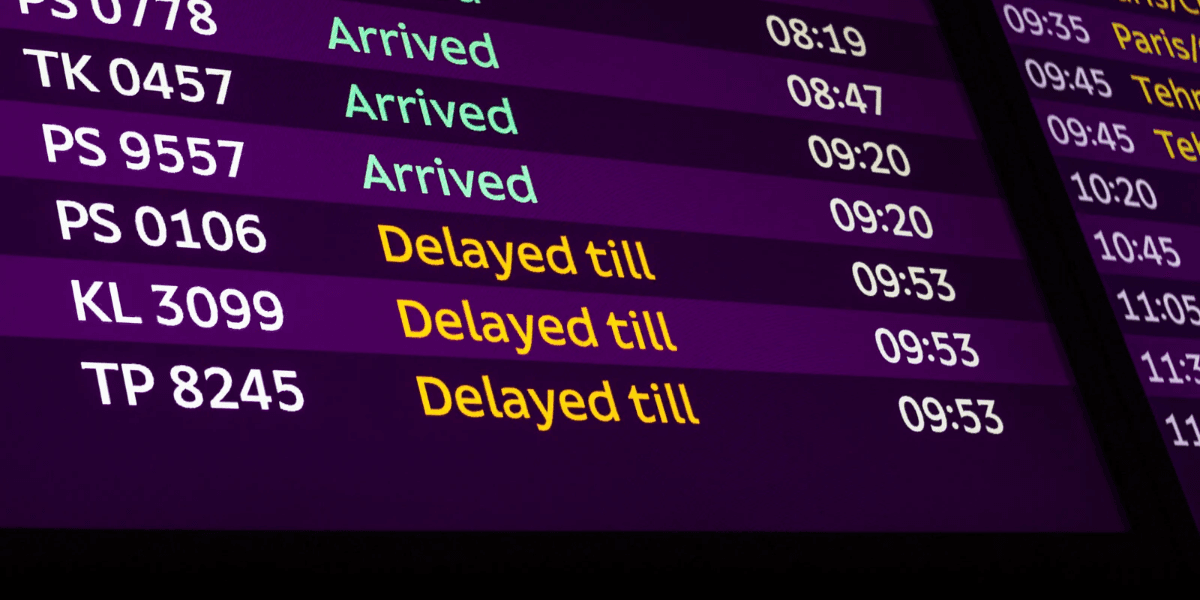
A major technology disruption at Delta Air Lines delayed more than 1,300 flights, disrupting Thanksgiving travel plans nationwide.*
Millions of Americans preparing to travel for Thanksgiving faced an unexpected challenge on Sunday, November 22, 2026, when a technology disruption affecting Delta Air Lines operations caused widespread flight delays across the United States. With one of the busiest holiday travel periods approaching, the incident disrupted schedules at major airports and left passengers facing longer waits, missed connections, and uncertainty about their journeys.
The disruption highlighted how heavily modern air travel depends on interconnected digital systems. Even when aircraft, airport facilities, and flight crews are available, technical problems affecting airline operations can create delays that spread across an entire transportation network.
According to reports published on November 22, more than 1,300 Delta flights experienced delays as the disruption affected operations nationwide.
What Caused the Delta Flight Disruption?
The problem involved Delta's automated weight and balance system, a critical technology used to prepare aircraft for departure. Before an aircraft takes off, airline personnel must establish its total weight and the distribution of that weight throughout the aircraft.
These calculations account for several factors, including passengers, luggage, cargo, and fuel. They help determine whether an aircraft meets operational safety requirements and establish the information needed for safe takeoff.
When the automated system stopped functioning, Delta teams had to rely on manual procedures to keep flights moving. Although these workarounds allowed operations to continue, they slowed the departure process and contributed to growing delays.
Reports indicated that approximately 48 percent of Delta flights were delayed by midday Sunday, according to FlightAware. The airline's disruption subsequently affected a significant portion of its scheduled services.
The incident was not attributed to a cyberattack. Delta also clarified that the problem did not originate from the Federal Aviation Administration's air traffic control systems.
Atlanta Airport Becomes the Center of the Disruption
The disruption was particularly significant at Hartsfield-Jackson Atlanta International Airport, Delta's primary hub and one of the busiest airports in the world.
Because Atlanta serves as a major connection point for domestic and international passengers, delays there can affect flights throughout the airline's network. Passengers traveling through Atlanta experienced disruptions even when their journeys originated in other parts of the country.
The Federal Aviation Administration temporarily restricted certain flights heading into Atlanta while the airline addressed the situation. The restriction lasted approximately an hour before being lifted.
The FAA emphasized that its own air traffic systems were not responsible for the incident. This distinction was important because the disruption followed other technology-related problems affecting American aviation.
For travelers, the situation demonstrated how a technical issue at one major airport can affect connecting flights across multiple destinations.
Delta Restores Automation as Recovery Efforts Continue
Delta announced later Sunday that its automated weight and balance system had returned to normal operation.
However, restoring the technology did not immediately eliminate the delays. Aircraft and crews were already operating outside their original schedules, creating additional challenges for the airline's recovery efforts.
Delta said it was helping affected customers find alternative itineraries. The airline also indicated that meals and hotel accommodations would be provided when necessary.
Passengers whose flights were canceled and who no longer wished to travel were offered refunds, according to the company's statement.
The airline also acknowledged the inconvenience caused by the disruption and thanked employees for their efforts to maintain operations.
The recovery highlighted an important distinction in aviation: fixing the original technical problem is only one part of restoring normal service. Airlines must also reorganize aircraft schedules, coordinate available crews, manage airport congestion, and accommodate passengers whose travel plans have changed.
Why the Incident Matters to New York Travelers
Although the disruption originated at Delta's Atlanta hub, its consequences extended beyond Georgia.
New York travelers are particularly familiar with the importance of reliable airline connections. Delta operates substantial services through New York's LaGuardia and John F. Kennedy International airports, connecting passengers with destinations throughout the United States and internationally.
The airline's November 22 disruption also coincided with weather-related challenges and air traffic restrictions affecting parts of the Northeast.
For New York travelers heading home or visiting family for Thanksgiving, the situation reinforced the importance of checking flight information before leaving home.
It also demonstrated why passengers should consider connection times carefully, particularly when their itineraries involve major connecting airports.
Key Takeaways for Passengers During Busy Travel Periods
The November 22 incident offers several practical lessons for people traveling during major holidays.
First, passengers should monitor their flight status directly through their airline's official website or mobile application. Airport departure boards and third-party tracking services can provide additional information, but airline notifications remain important for itinerary changes.
Second, travelers should allow sufficient time for connecting flights. When a major airport experiences operational difficulties, even passengers whose original flights depart on schedule may encounter complications later in their journeys.
Third, keeping essential items in carry-on luggage can help reduce inconvenience during unexpected delays. Travel documents, prescribed medications, chargers, and necessary personal belongings should remain accessible.
Finally, passengers should review their airline's policies concerning rebooking, cancellations, and refunds before departure.
These measures cannot prevent disruptions, but they can help travelers respond more effectively when unexpected problems occur.
A Reminder of Technology's Role in Modern Aviation
Delta's November 22 disruption demonstrated how much modern air travel depends on reliable technology and effective operational planning.
The automated system involved in the incident performed an essential task that directly supported aircraft preparation. When it became unavailable, employees had to rely on alternative procedures while maintaining required safety checks.
For the aviation industry, the event underscores the importance of reliable systems, practical contingency plans, and effective communication with passengers.
For travelers, its most important lesson is straightforward: even when an airline resolves a technical problem, the effects can continue long after the original issue disappears.
As Americans entered the Thanksgiving travel period, the incident served as a timely reminder that preparation, flexibility, and access to accurate flight information remain essential parts of a successful journey.

Empire State Review Contributor
This article features branded content from a third party. Opinions in this article do not reflect the opinions and beliefs of Empire State Review.
You May Also Like

Thanksgiving Storm Forces Macy’s Parade Postponement
Thanksgiving Storm Forces Macy’s Parade Postponement
Waymo Suspends Driverless Freeway Rides Across the U.S.
Waymo Suspends Driverless Freeway Rides Across the U.S.

RAYE Leads 2027 Grammy Nominations With 11
RAYE Leads 2027 Grammy Nominations With 11
Nationwide FAA Shutdown Disrupts Thousands of U.S. Flights
Nationwide FAA Shutdown Disrupts Thousands of U.S. Flights
Brooklyn Building Collapse Leaves Eight Dead in Flatbush
Brooklyn Building Collapse Leaves Eight Dead in Flatbush