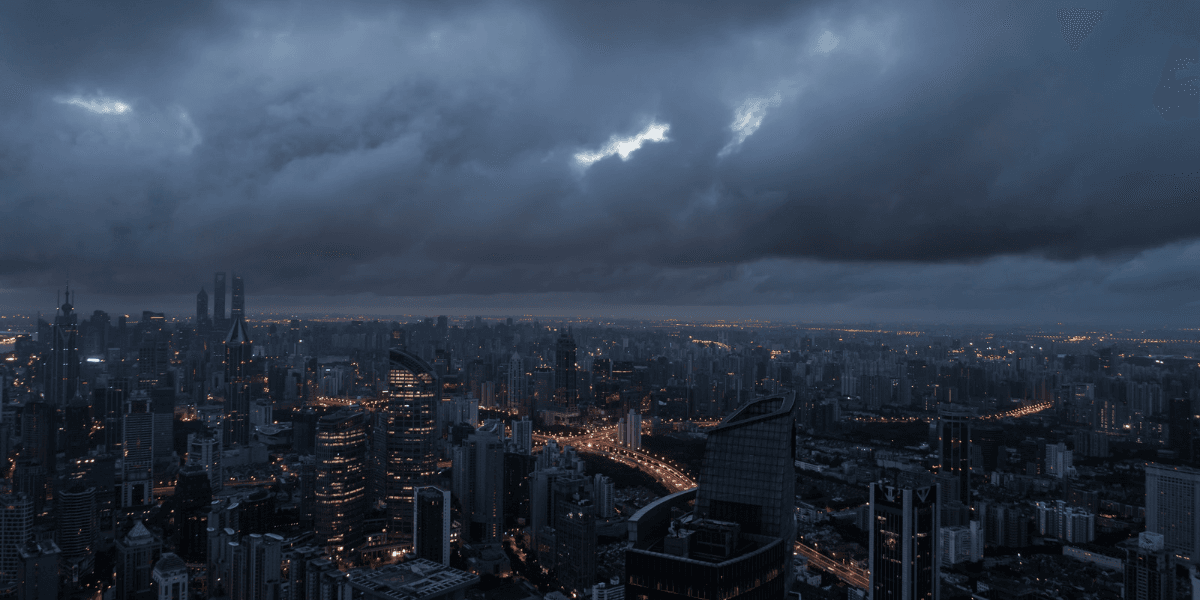
Severe Thanksgiving weather disrupted travel across the United States and forced New York's historic Macy’s Parade to be postponed.
Severe Thanksgiving Storm Disrupts Holiday Across the United States
Thanksgiving Day, November 26, 2026, brought unexpected challenges to millions of Americans as severe weather swept across several parts of the country. Heavy rainfall, powerful winds, flooding, and winter conditions disrupted holiday travel, affected electricity supplies, and forced changes to one of the nation's most recognizable seasonal traditions.
Among the most significant developments was the postponement of the 100th Macy’s Thanksgiving Day Parade in New York City. Organizers and city officials made the decision after dangerous weather conditions raised concerns about the safety of spectators and participants. The parade, originally scheduled for Thursday morning, was moved to Saturday, November 28.
The disruption came during one of the busiest travel periods of the year, when families traditionally cross state lines to celebrate Thanksgiving together. It also demonstrated how rapidly changing weather conditions can affect major public events and transportation networks.
A Historic Parade Postponed for the First Time
The postponement carried particular significance because the 2026 event marked the 100th march of the Macy’s Thanksgiving Day Parade. The tradition began in 1924 and has become an important part of America's Thanksgiving celebrations.
The parade had never previously been postponed because of weather. It was suspended from 1942 through 1944 during World War II, but the 2026 decision marked an unprecedented weather related scheduling change.
The approaching storm presented a serious challenge for the parade's enormous character balloons. Strong winds can make large inflatables difficult to control, particularly along Manhattan's streets, where tall buildings can create unpredictable wind conditions.
The centennial celebration was expected to feature 100 inflatables, elaborate floats, marching bands, and musical performances. Macy's had also announced more than 11,000 volunteers and participants for the event.
The revised schedule moved the parade to 8:30 a.m. on Saturday, November 28, following its original plans for a Manhattan procession.
The decision illustrates the importance of safety planning for large public gatherings. Even an established national tradition must adapt when weather conditions create unacceptable risks.
Dangerous Weather Affects Multiple Regions
Although the parade postponement attracted considerable attention, New York was only one part of a much wider weather emergency.
The National Oceanic and Atmospheric Administration warned before Thanksgiving that a powerful coastal storm could bring heavy rain, strong winds, flooding, and difficult travel conditions across the eastern United States. The agency also identified separate weather concerns in the Midwest and western states.
Its November 24 forecast highlighted the potential for heavy precipitation along the Eastern Seaboard, mountain snowfall in parts of the West, and accumulating snow around the Mississippi Valley.
On Thanksgiving morning, the National Weather Service continued to monitor the developing coastal system. Its November 26 forecast identified a risk of excessive rainfall across parts of the northern Mid Atlantic region.
Weather conditions also affected transportation beyond the immediate New York metropolitan area.
Heavy rain, strong winds, flooding, and snowfall complicated holiday travel across several states. Floodwaters forced road closures, stranded motorists, and affected major transportation routes.
The Chesapeake Bay Bridge Tunnel and North Carolina's Highway 12 were among the routes affected by flooding and dangerous conditions. Meanwhile, winter storm warnings covered parts of Missouri and Illinois, where significant snowfall was possible.
The storm also affected the western coastline. High tides and large waves prompted coastal flood warnings in parts of California and Washington, demonstrating the broad range of weather hazards confronting travelers during the holiday.
Power Outages and Transportation Concerns
Electricity disruptions added another layer of difficulty to the Thanksgiving holiday.
Reports indicated that more than 500,000 homes and businesses lost electricity as the storm affected communities from Georgia to New England. Coastal flooding and strong winds also created additional challenges for emergency responders and local authorities.
Air travel faced potential disruption as well. Weather conditions, including poor visibility, turbulence, strong winds, and icing, created risks for airline operations.
These problems are particularly significant during Thanksgiving because the holiday generates substantial passenger movement across the country. Airports, highways, rail services, and local transportation systems experience increased demand as people travel to visit family and friends.
For New York residents, the consequences extended beyond the parade itself. The city's November 25 travel advisory warned residents about strong winds, coastal flooding, and heavy rainfall expected on Thanksgiving Day.
New York City Emergency Management advised travelers to allow additional time and exercise caution. The agency also highlighted the possibility of dangerous conditions during afternoon and evening high tides.
These warnings reinforced the need for residents and visitors to monitor official weather and transportation updates rather than rely on normal holiday schedules.
What the Storm Means for New York Residents
For New York, the postponement represents more than a change to the holiday entertainment schedule. The parade is a major annual gathering that brings visitors, supports local businesses, and attracts national television audiences.
The parade typically attracts millions of spectators along its route, while millions more watch from home.
The schedule change also affects businesses, transportation services, hospitality workers, and visitors who planned their Thanksgiving trips around the original event.
The revised Saturday schedule gives organizers additional time to prepare for safer conditions. However, residents and visitors should still check official announcements before traveling into Manhattan.
The experience also highlights the importance of reliable emergency communication. Weather forecasts, road closure notices, public transportation updates, and local government advisories help people make informed decisions when conditions change unexpectedly.
For travelers, the practical lesson is straightforward: holiday plans should remain flexible when severe weather threatens transportation and public safety.
Key Takeaways for the Public
The Thanksgiving storm of November 26, 2026, offers several important lessons:
1. Monitor official weather updates. The National Weather Service provides forecasts and warnings that help residents prepare for changing conditions.
2. Allow additional travel time. Heavy rainfall, flooding, strong winds, and snowfall can affect roads, airports, and other transportation services.
3. Check event schedules before visiting. The Macy’s Thanksgiving Day Parade was rescheduled to November 28, making it important for visitors to verify arrangements before traveling.
4. Prepare for electricity disruptions. Power outages can affect households and businesses, making basic emergency preparations particularly important.
5. Follow local emergency instructions. City and state agencies provide updates about road closures, flooding, and other hazards that can affect public safety.
A Thanksgiving Reminder About Preparedness
The events of November 26 demonstrate how quickly severe weather can change plans across the United States. From the postponement of a historic New York celebration to transportation disruptions and widespread power outages, the storm affected communities during a holiday traditionally associated with family gatherings and travel.
The decision to reschedule the Macy’s Thanksgiving Day Parade also reinforces an important principle: protecting participants and spectators must take priority over maintaining an event's original timetable.
As the country moves into the holiday weekend, residents and visitors can benefit from staying informed, checking local advisories, and allowing flexibility in their plans. The situation remains a reminder that preparation and timely information are essential when severe weather affects everyday life.

Empire State Review Contributor
This article features branded content from a third party. Opinions in this article do not reflect the opinions and beliefs of Empire State Review.
You May Also Like
Delta Air Lines Disruption Delays More Than 1,300 Flights Across the U.S.
Delta Air Lines Disruption Delays More Than 1,300 Flights Across the U.S.
Waymo Suspends Driverless Freeway Rides Across the U.S.
Waymo Suspends Driverless Freeway Rides Across the U.S.

RAYE Leads 2027 Grammy Nominations With 11
RAYE Leads 2027 Grammy Nominations With 11
Nationwide FAA Shutdown Disrupts Thousands of U.S. Flights
Nationwide FAA Shutdown Disrupts Thousands of U.S. Flights
Brooklyn Building Collapse Leaves Eight Dead in Flatbush
Brooklyn Building Collapse Leaves Eight Dead in Flatbush